
If you're planning to launch a fitness apparel brand, one question matters more than anything:
👉 What actually happens between a sample and bulk production?
From my experience working with gym wear manufacturers, this is where most brands either succeed—or run into serious problems.
Because production is not just about making clothes. It’s about:
- consistency
- quality control
- communication
- execution
In this guide, I’ll walk you through how Fukigymwear produces gym wear from sample to bulk, step by step.
Table of Contents
- Quick Answer
- Why Production Process Matters
- Step 1: Product Development & Sampling
- Step 2: Sample Review & Revisions
- Step 3: Pre-Production Preparation
- Step 4: Bulk Production
- Step 5: Quality Control & Inspection
- Step 6: Packaging & Shipping
- Common Production Mistakes
- FAQ
- Conclusion
Quick Answer
Fukigymwear produces gym wear through a structured process including sampling, revisions, pre-production, bulk manufacturing, quality control, and shipping to ensure consistent product quality.
Why Production Process Matters
From my experience, most production issues happen because brands don’t understand the process.
Key Risks Without Process
| Problem | Result |
|---|---|
| poor sample approval | inconsistent bulk |
| unclear communication | production errors |
| no quality control | defective products |
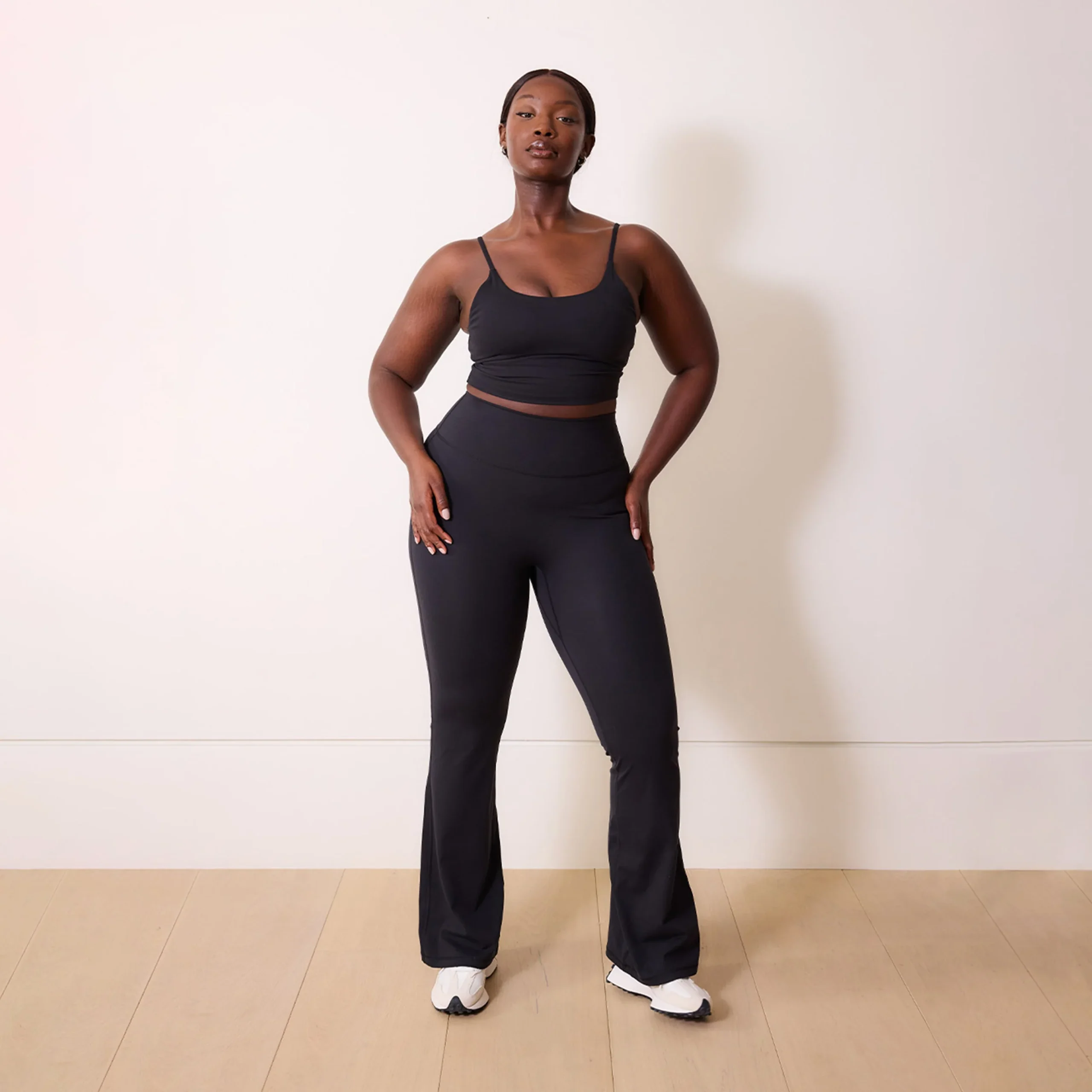
👉 A structured process reduces risk and improves consistency.
Step 1: Product Development & Sampling
Everything starts with product development.
What Happens
- design confirmation
- fabric selection
- logo placement
- sample creation
👉 Sample time: 5–7 days
👉 Fukigymwear – Custom Gym Wear Manufacturer
From my experience, this stage defines the final product quality.
Step 2: Sample Review & Revisions
Once the sample is ready, brands should carefully review:
What to Check
- fit accuracy
- fabric feel
- stitching quality
- logo placement
Revision Process
| Step | Purpose |
|---|---|
| feedback | identify issues |
| adjustment | improve product |
| re-sample | confirm changes |
👉 Skipping this step is one of the biggest mistakes brands make.
Step 3: Pre-Production Preparation
Before bulk production starts, everything must be confirmed.
Pre-Production Checklist
- final sample approval
- fabric stock confirmation
- production planning
- size breakdown
👉 This ensures consistency in bulk orders.
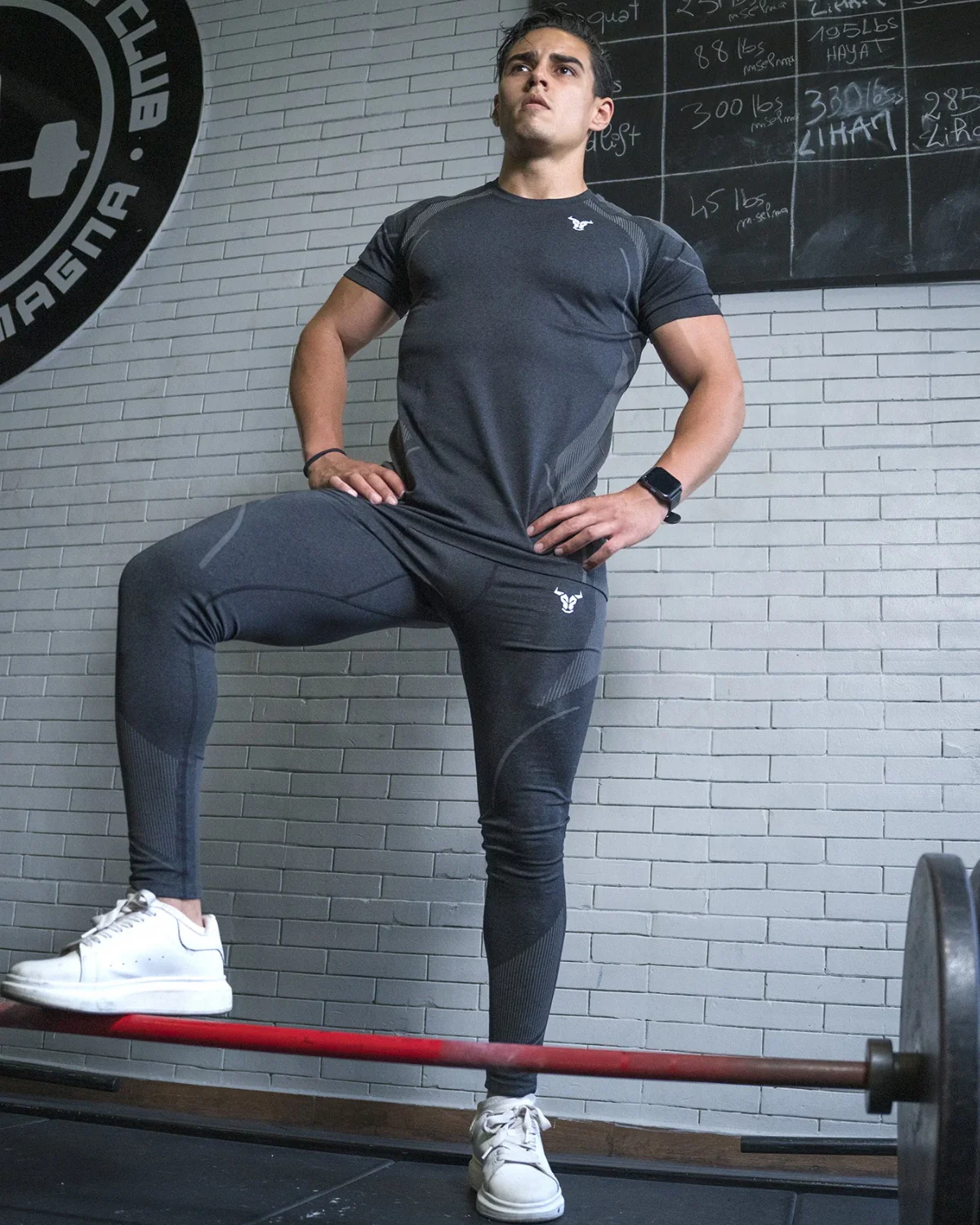
Step 4: Bulk Production
This is where full manufacturing begins.
Key Focus Areas
| Factor | Importance |
|---|---|
| consistency | critical |
| efficiency | important |
| accuracy | essential |
Typical production time:
👉 20–35 days
Step 5: Quality Control & Inspection
Quality control is what separates good manufacturers from bad ones.
QC Process
- in-line inspection
- final inspection
- defect control
Quality Factors
| Factor | What to Check |
|---|---|
| stitching | clean and strong |
| fabric | consistent quality |
| sizing | accurate measurements |
Brands like Nike rely heavily on strict quality control systems.
Step 6: Packaging & Shipping
After production, products are prepared for delivery.
Final Steps
- labeling
- packaging
- shipping arrangement
According to Statista, efficient logistics is a key factor in apparel supply chains.
Common Production Mistakes
From my experience, these mistakes are very common:
- skipping sample testing
- unclear specifications
- rushing production
- ignoring quality control
👉 These often lead to expensive problems.
FAQ
How long does the full process take?
Typically 4–6 weeks from sampling to bulk production.
Why is sampling important?
Because it determines the final product quality.
Can production be rushed?
It can, but it increases risk.
What ensures consistency in bulk?
Clear process and strict quality control.
Conclusion
From sample to bulk, gym wear production is a structured process that requires attention to detail and strong execution.
From my experience, brands that succeed:
- respect the process
- test thoroughly
- work with reliable manufacturers
👉 Fukigymwear – Start Your Gym Wear Production
If you want consistent, high-quality products, understanding the production process is essential—and choosing the right partner makes all the difference.
