
If you're planning to launch a fitness apparel brand, one of the most important things to understand is how a custom gym clothing manufacturer actually works.
From my experience working with multiple fitness brands, many beginners think manufacturing is just placing an order. In reality, it's a structured process involving product development, sampling, production planning, and quality control.
In this guide, I’ll break down the full process step by step so you can clearly understand how to work with a manufacturer and avoid common mistakes.
Table of Contents
- Quick Answer
- What Is a Custom Gym Clothing Manufacturer?
- How the Manufacturing Process Works
- Key Stages Explained
- Timeline and Workflow
- Cost Factors
- Common Mistakes to Avoid
- How to Choose the Right Manufacturer
- FAQ
- Conclusion
Quick Answer
A custom gym clothing manufacturer works through a structured process including design development, fabric sourcing, sampling, bulk production, and quality control, helping brands create high-quality activewear.
What Is a Custom Gym Clothing Manufacturer?
A custom gym clothing manufacturer produces fitness apparel based on your brand’s specific requirements.
This includes:
- custom designs
- fabric selection
- logo application
- packaging
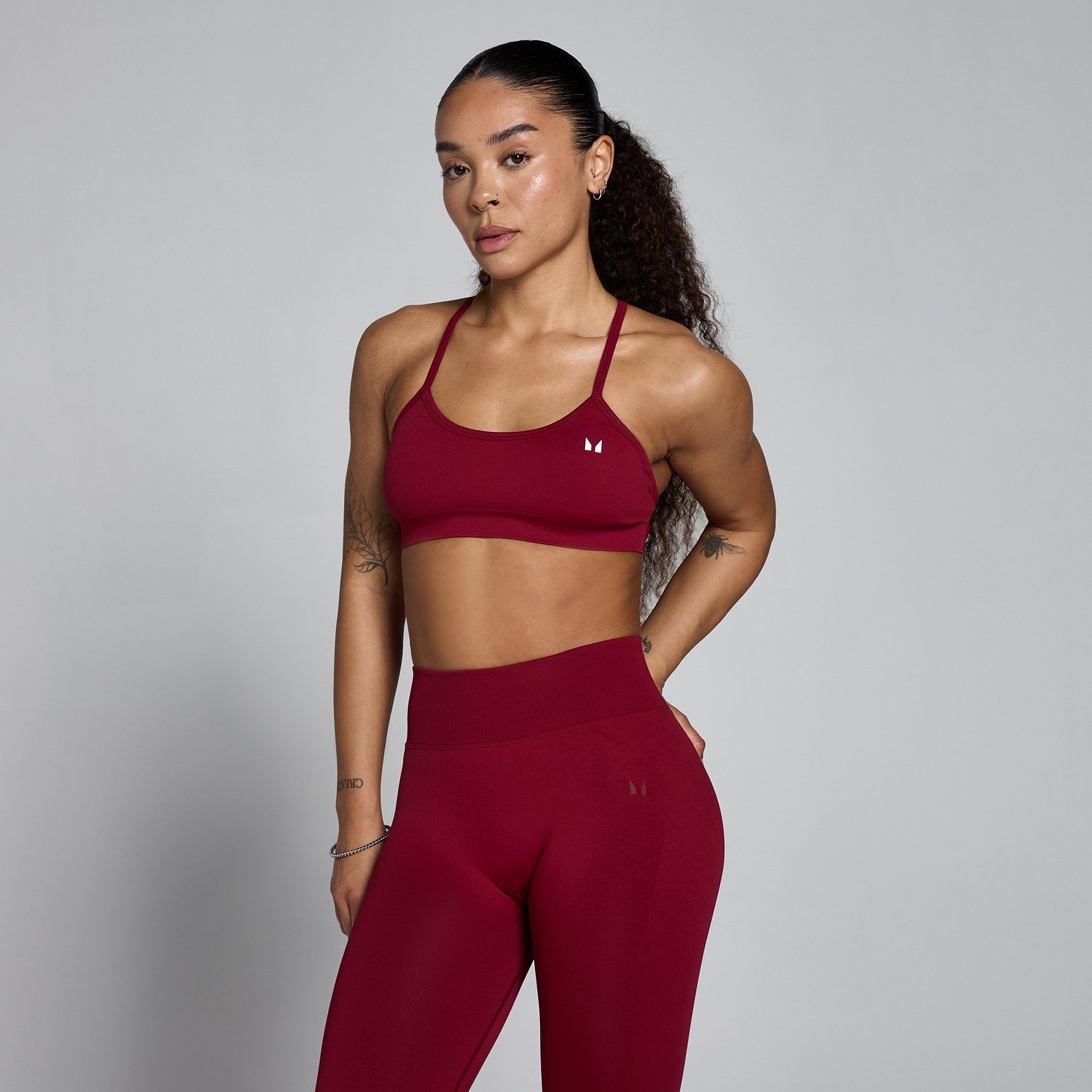
Major brands like Nike rely on highly organized manufacturing systems to maintain consistency and performance.
How the Manufacturing Process Works
The process typically follows a clear structure.
Overview Workflow
- idea and design
- tech pack creation
- fabric sourcing
- sample development
- revisions and approval
- bulk production
- quality inspection
👉 Custom Gym Wear Manufacturer
Working with experienced manufacturers ensures each step runs smoothly.
Key Stages Explained
Let’s break down the most important stages.
1. Product Development
This stage defines:
- product style
- target market
- functionality
2. Sampling
Samples allow you to test:
- fit
- fabric performance
- construction quality
From my experience, skipping proper sampling leads to most production issues.
3. Bulk Production
After approval, production begins.
Production Priorities
| Factor | Importance |
|---|---|
| consistency | critical |
| quality control | essential |
| timeline | important |
Timeline and Workflow
Understanding timelines helps you plan your launch.
Typical Timeline
| Stage | Duration |
|---|---|
| design & tech pack | 1–2 weeks |
| sampling | 2–3 weeks |
| revisions | 1–2 weeks |
| production | 3–5 weeks |
Cost Factors
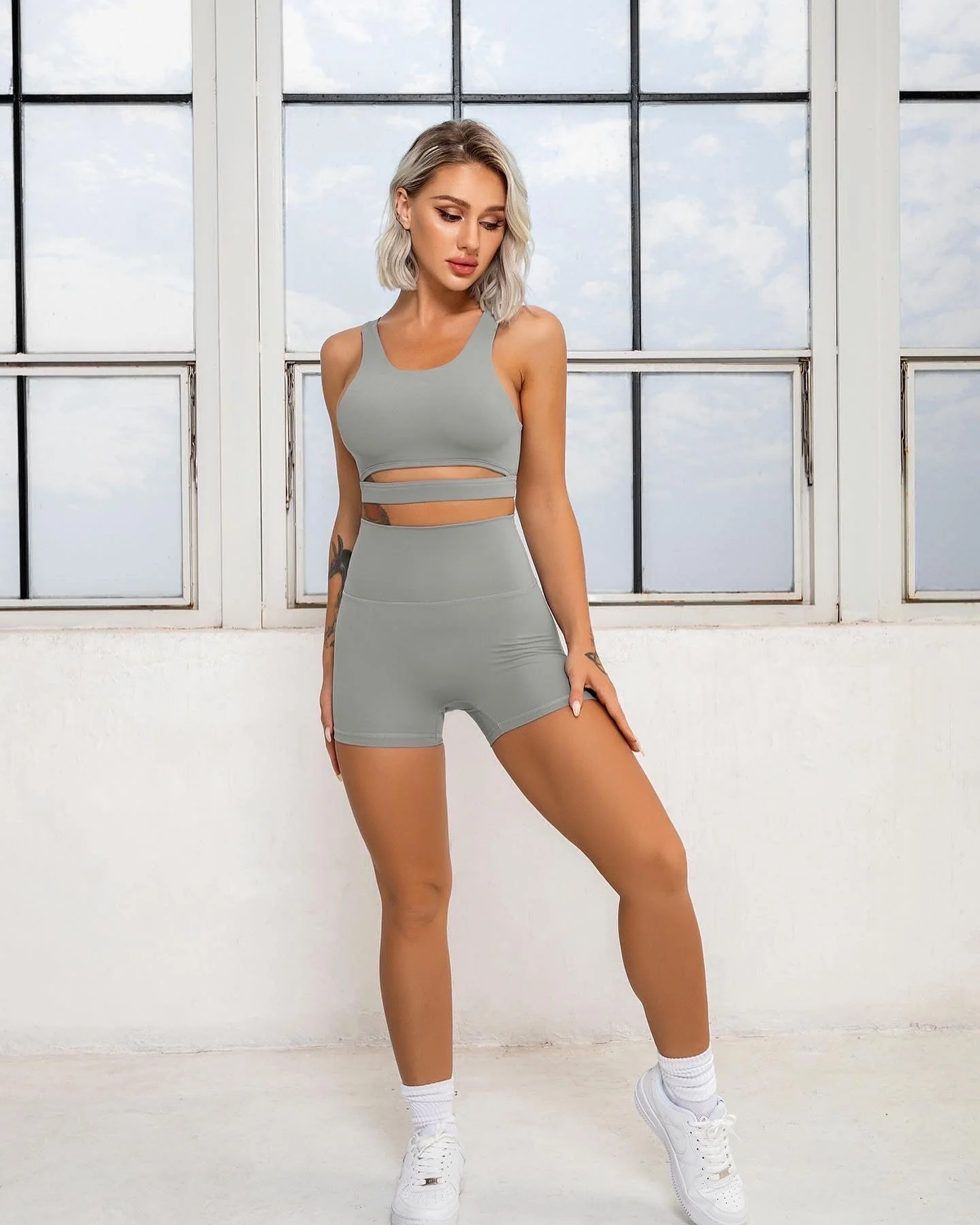
Several factors influence production cost.
Key Cost Drivers
| Factor | Impact |
|---|---|
| fabric quality | affects price |
| order quantity | affects unit cost |
| customization | increases cost |
| complexity | increases production time |
According to Statista, the global activewear market continues to grow, increasing demand for efficient production.
Common Mistakes to Avoid
From my experience, these are the biggest mistakes:
- unclear product specifications
- skipping sample testing
- choosing suppliers based only on price
- poor communication
These mistakes often lead to delays and quality issues.
How to Choose the Right Manufacturer
Choosing the right partner is critical.
Key Criteria
| Factor | Why It Matters |
|---|---|
| experience | ensures quality |
| communication | reduces errors |
| MOQ flexibility | supports startups |
| scalability | supports growth |
A strong manufacturing partner helps you scale your brand effectively.
FAQ
How long does custom gym clothing production take?
Typically 30–60 days, depending on complexity.
What is the most important stage?
Sampling and product testing are the most critical.
Can beginners work with manufacturers?
Yes, many manufacturers offer low MOQ options.
Why is communication important?
Clear communication prevents mistakes and delays.
Conclusion
Understanding how a custom gym clothing manufacturer works is essential for building a successful fitness brand.
From my experience, brands that succeed focus on:
- clear product development
- structured production processes
- strong manufacturer partnerships
If you want to launch and scale your brand successfully, working with the right manufacturing partner is key.
The right partner will help turn your ideas into high-quality, scalable products.
