
Compression wear is one of the most technical segments in activewear manufacturing.
It’s not just about appearance —
👉 it’s about performance, muscle support, and fabric engineering.
From my experience working with fitness brands, compression products require higher standards in both fabric and construction.
Table of Contents
- Quick Answer
- What Is Compression Wear?
- Why Compression Wear Is Different
- Best Fabrics for Compression Wear
- Fit and Performance Factors
- Compression Wear Production Process
- Common Mistakes Brands Make
- How to Choose a Manufacturer
- FAQ
- Conclusion
Quick Answer
A custom compression wear manufacturer should provide:
- high-stretch performance fabrics
- precise pattern engineering
- strong stitching construction
- consistent compression levels
👉 These ensure durability, comfort, and athletic performance.
What Is Compression Wear?
Compression wear refers to tight-fitting garments designed to apply pressure to muscles.
Benefits:
- improved blood circulation
- muscle support
- faster recovery
Common Products:
- compression leggings
- compression tops
- base layers
- training shorts
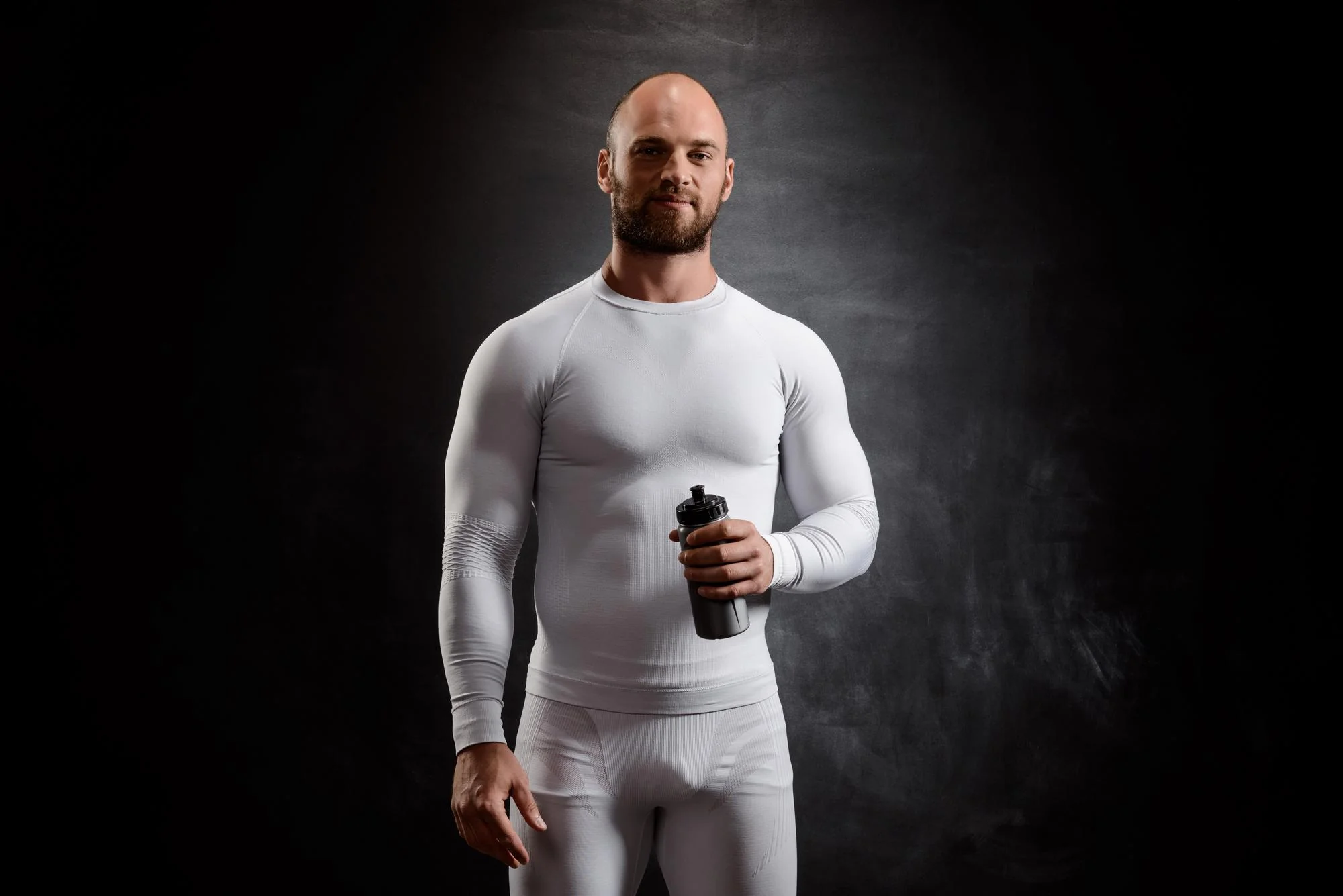
👉 Brands like Under Armour helped popularize compression wear globally.
Why Compression Wear Is Different
Compression garments require higher technical standards.
Key Differences:
| Feature | Compression Wear | Regular Activewear |
|---|---|---|
| Fit | Tight | Relaxed |
| Fabric | High stretch | Standard stretch |
| Function | Muscle support | Comfort |
| Construction | Reinforced seams | Basic stitching |
👉 From experience:
Poor compression design = discomfort + product failure.
Best Fabrics for Compression Wear
Fabric determines compression performance.
Common Compression Fabrics
| Fabric | Features | Usage |
|---|---|---|
| Nylon + Spandex | Soft, high elasticity | Premium compression |
| Polyester + Spandex | Durable | General use |
| High-compression blends | Strong support | Performance gear |
Fabric Performance Comparison
| Feature | Nylon Blend | Polyester Blend |
|---|---|---|
| Compression Strength | High | Medium |
| Comfort | High | Medium |
| Durability | Medium | High |
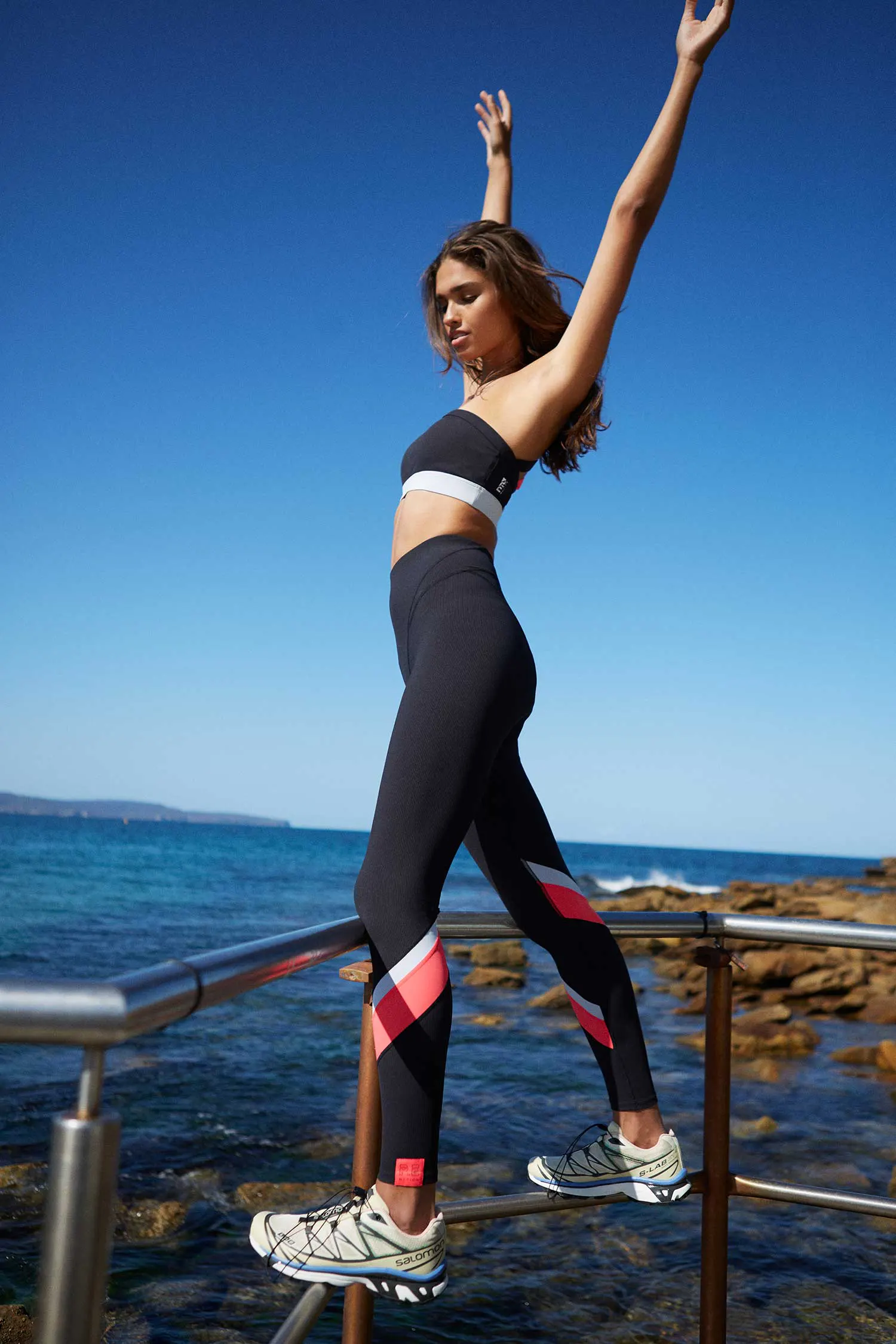
👉 Insight:
- Nylon = premium compression feel
- Polyester = durability & cost efficiency
Fit and Performance Factors
Fit is the most critical factor in compression wear.
Key Fit Elements:
- muscle compression zones
- waistband stability
- seam placement
- stretch recovery
Construction Details:
| Feature | Benefit |
|---|---|
| Flatlock seams | Reduce irritation |
| Reinforced stitching | Improve durability |
| Panel construction | Enhance compression |
👉 Brands like Nike invest heavily in compression testing.
Compression Wear Production Process
Compression wear manufacturing requires precision.
Production Workflow:
- fabric sourcing
- pattern engineering
- sample development
- fit testing
- bulk production
- quality control
👉 👉 FuKi Gymwear supports full OEM compression wear development.
👉 Related reading:
Custom Gym Leggings Manufacturer Guide
Common Mistakes Brands Make
From my experience, these mistakes are common:
- choosing incorrect fabric blends
- skipping compression testing
- poor sizing standards
- focusing only on price
👉 Results:
- poor performance
- high return rates
- negative reviews
How to Choose a Manufacturer
Selecting the right partner is critical.
Key Criteria:
| Factor | Importance |
|---|---|
| Fabric expertise | Essential |
| Compression testing | Critical |
| Sample quality | Required |
| Communication | Long-term success |
👉 👉 FuKi Gymwear helps brands:
- develop performance compression wear
- optimize fit and construction
- scale production globally
FAQ
What is the best fabric for compression wear?
Nylon-spandex blends are best for elasticity and comfort.
How tight should compression wear be?
Tight enough for support, but not restrictive.
What is MOQ?
Typically 50–300 pcs per style.
Why is compression wear more expensive?
Due to specialized fabrics and complex construction.
Conclusion
Compression wear is one of the most demanding categories in activewear.
👉 Success depends on:
- choosing the right fabric
- achieving precise fit
- working with experienced manufacturers
If you want to build high-performance products,
👉 FuKi Gymwear can help you:
- create advanced compression wear
- reduce production risks
- scale your brand
