
When it comes to workout clothing, comfort and performance go far beyond style. One of the most important technologies used in modern activewear is moisture-wicking fabric.
If you’ve ever exercised in a cotton T-shirt that became heavy and sticky with sweat, you already understand the problem moisture-wicking fabrics solve.
From my experience working with activewear brands and product developers, moisture-management fabrics are one of the key innovations that transformed the fitness apparel industry. They allow athletes to stay dry, comfortable, and focused during workouts.
In this guide, we’ll explore why moisture-wicking fabric matters in workout clothing, how the technology works, and why it has become essential for modern gym wear.
Table of Contents
- What Is Moisture-Wicking Fabric
- How Moisture-Wicking Technology Works
- Benefits of Moisture-Wicking Workout Clothing
- Moisture-Wicking vs Cotton Workout Fabrics
- Common Materials Used in Moisture-Wicking Clothing
- Which Workouts Benefit Most from Moisture-Wicking Fabrics
- How Brands Develop Moisture-Wicking Activewear
- How to Choose High-Quality Moisture-Wicking Gym Wear
- FAQ About Moisture-Wicking Workout Clothing
- Final Thoughts
What Is Moisture-Wicking Fabric
Moisture-wicking fabric is a type of textile designed to pull sweat away from the skin and move it to the outer surface of the fabric, where it can evaporate quickly.
Unlike traditional cotton materials, moisture-wicking fabrics help regulate body temperature during physical activity.
Common examples of moisture-wicking clothing include:
- performance T-shirts
- training shorts
- compression shirts
- sports bras
- running leggings
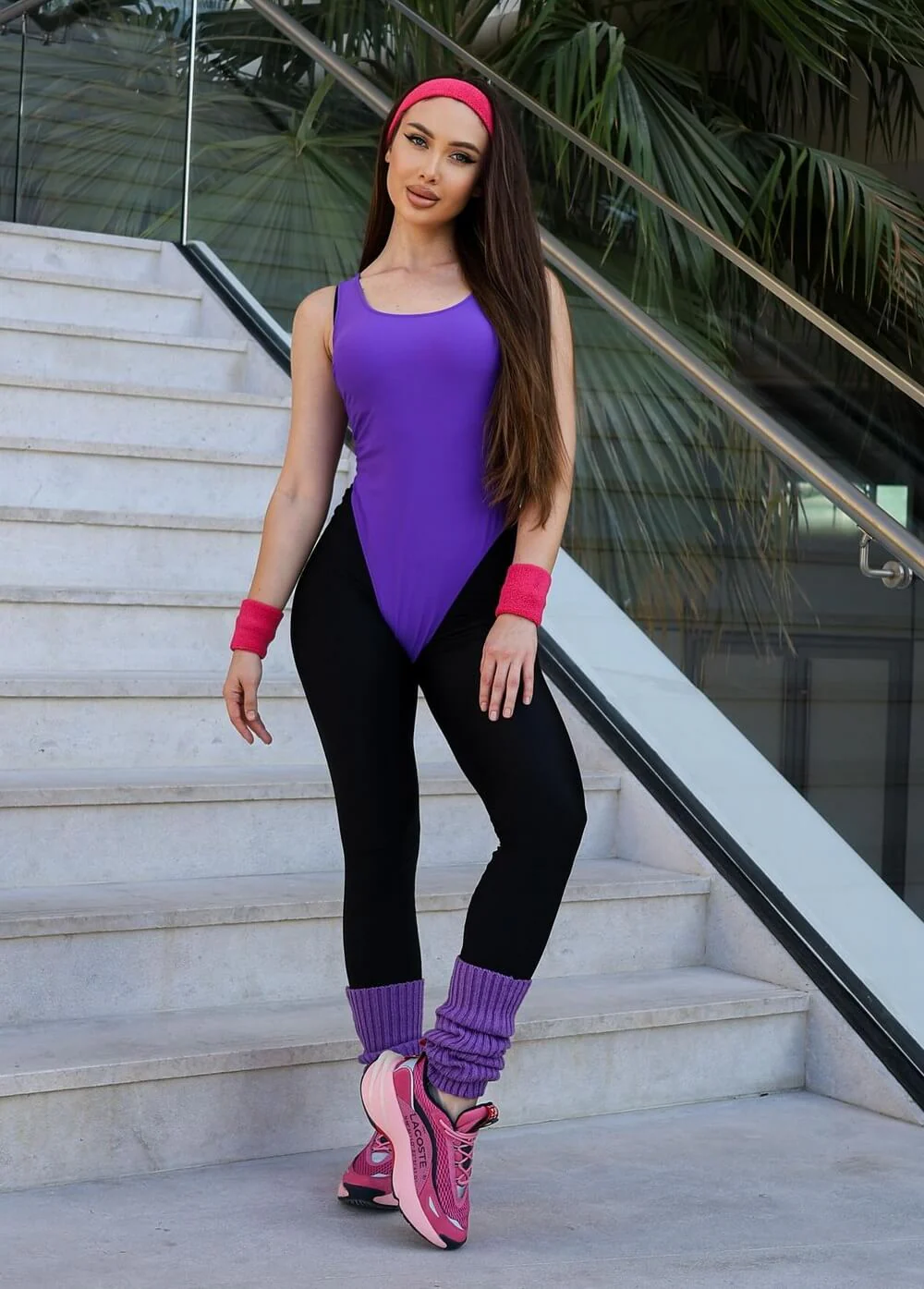
These garments help athletes remain comfortable even during intense workouts.
According to industry insights from Statista, demand for performance fabrics has increased significantly as consumers prioritize functional clothing.
How Moisture-Wicking Technology Works
Moisture-wicking fabrics rely on capillary action, a process that moves liquid away from the body.
How the Process Works
| Step | Description |
|---|---|
| sweat production | the body releases sweat during exercise |
| fabric absorption | the inner layer pulls moisture away from the skin |
| moisture transfer | the fabric spreads sweat across its surface |
| evaporation | airflow helps the moisture evaporate |
This process keeps the body cooler and prevents clothing from becoming heavy with sweat.
Benefits of Moisture-Wicking Workout Clothing
Moisture-management fabrics provide several important advantages during exercise.
Key Benefits
| Benefit | Explanation |
|---|---|
| improved comfort | keeps skin dry during workouts |
| temperature regulation | helps cool the body |
| odor control | reduces bacteria buildup |
| lightweight feel | prevents sweat-soaked clothing |
For athletes and gym-goers alike, these features improve overall training comfort.
Moisture-Wicking vs Cotton Workout Fabrics
Many beginners wonder why cotton clothing feels uncomfortable during workouts.
Fabric Comparison
| Feature | Moisture-Wicking Fabric | Cotton |
|---|---|---|
| sweat control | moves moisture away from skin | absorbs sweat |
| drying speed | fast drying | slow drying |
| comfort during workouts | high | decreases when wet |
| weight when sweaty | lightweight | becomes heavy |
Because of these differences, most modern activewear brands prefer moisture-wicking textiles.
Common Materials Used in Moisture-Wicking Clothing
Several high-performance fibers are commonly used to create moisture-wicking fabrics.
Popular Activewear Materials
| Material | Benefit |
|---|---|
| polyester | excellent moisture management |
| nylon | durability and flexibility |
| spandex | stretch and comfort |
| performance mesh | improved ventilation |
These materials are often blended to create fabrics that balance breathability, stretch, and durability.
Which Workouts Benefit Most from Moisture-Wicking Fabrics
While moisture-wicking fabrics are useful in almost any workout, they are particularly helpful in high-intensity activities.
Ideal Workouts
- running
- HIIT training
- cycling
- strength training
- sports conditioning
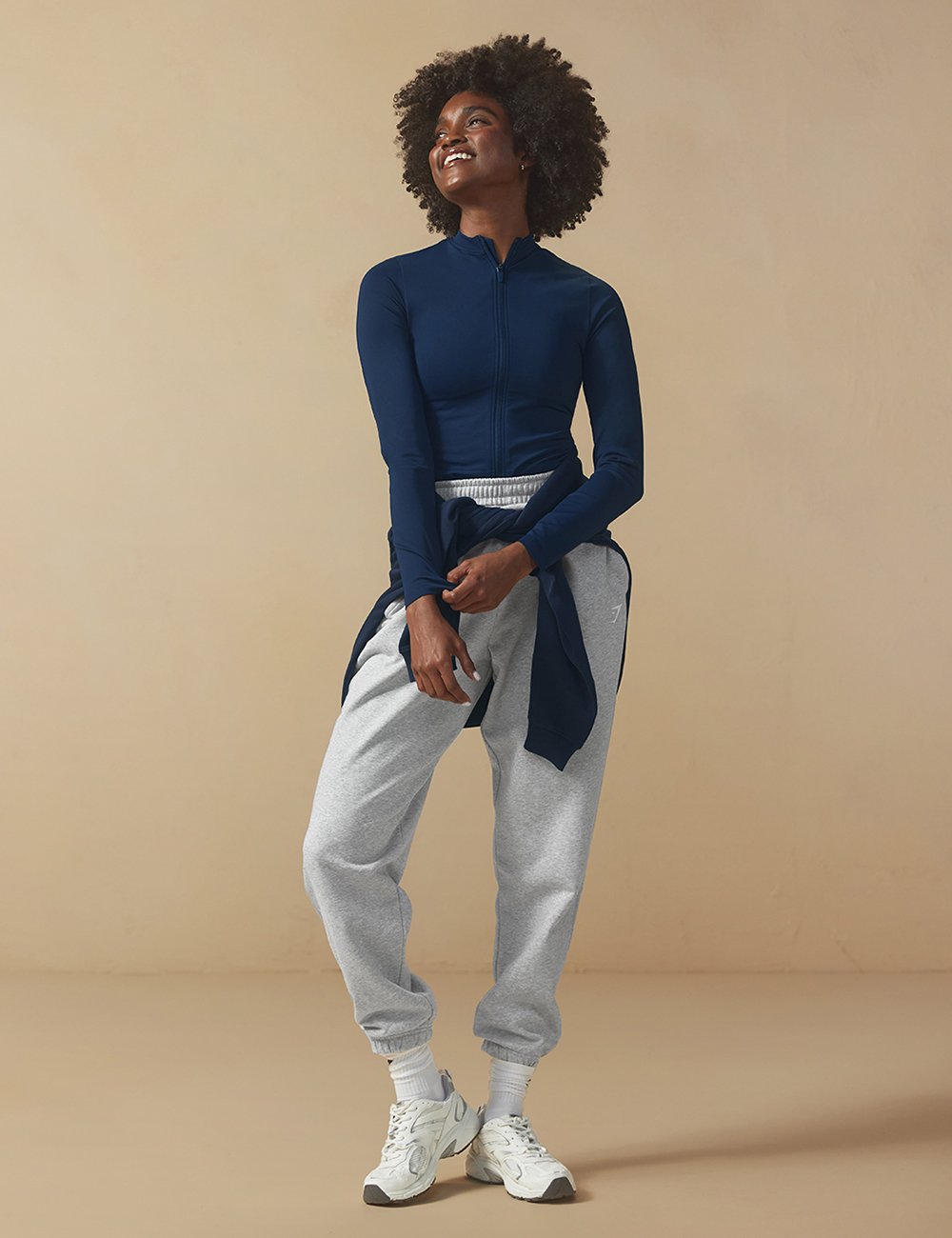
These workouts produce more sweat, making moisture-management fabrics essential.
How Brands Develop Moisture-Wicking Activewear
Behind every performance garment is a detailed product development process.
From my experience working with activewear manufacturers, brands usually follow several steps when creating moisture-wicking apparel.
Development Process
- Selecting moisture-management fibers
- Testing fabric breathability
- Designing ergonomic garment patterns
- Conducting performance wear-tests
Many brands partner with experienced production partners when developing technical activewear.
👉 Custom Gym Wear Manufacturer
Manufacturers often assist with:
- performance fabric sourcing
- product prototyping
- garment testing
- scalable production
How to Choose High-Quality Moisture-Wicking Gym Wear
Not all workout clothing labeled “performance” offers the same quality.
What to Look For
| Feature | Why It Matters |
|---|---|
| breathable fabrics | improves airflow |
| stretch construction | supports movement |
| durable stitching | increases lifespan |
| lightweight feel | improves comfort |
Choosing high-quality fabrics makes a noticeable difference during workouts.
FAQ About Moisture-Wicking Workout Clothing
Do moisture-wicking fabrics really work?
Yes. They help move sweat away from the body so it can evaporate faster.
Are moisture-wicking fabrics better than cotton for workouts?
Yes. Cotton absorbs sweat and becomes heavy, while performance fabrics keep athletes dry.
Is moisture-wicking clothing only for athletes?
No. Anyone who exercises or spends time outdoors can benefit from moisture-management fabrics.
Can moisture-wicking fabrics reduce odor?
Some fabrics include antimicrobial treatments that help reduce odor buildup.
Final Thoughts
Moisture-wicking technology has become one of the most important innovations in modern fitness apparel.
By helping regulate sweat, temperature, and comfort, these fabrics allow athletes to focus on performance rather than discomfort.
From my experience working with activewear brands, companies that invest in advanced fabric technology and thoughtful garment design are shaping the future of workout clothing.
If you're interested in developing custom moisture-wicking fitness apparel, you can learn more here:
The right fabric choice can make a major difference in workout comfort, performance, and durability.
