
The activewear industry evolves quickly. Every year, new fabrics, training styles, and cultural influences reshape how gym wear is designed and worn.
As someone working closely with activewear brands and manufacturers, I’ve noticed that 2026 will bring several important shifts in fitness apparel design and consumer expectations.
From sustainability to hybrid gym-streetwear aesthetics, brands are rethinking how performance clothing should look and function.
In this guide, I’ll break down the top activewear trends to watch in 2026, based on current industry developments and the needs of modern athletes.
Table of Contents
- Why Activewear Trends Matter for Brands
- Trend #1: Hybrid Gym-to-Street Apparel
- Trend #2: Sustainable Activewear Fabrics
- Trend #3: Functional Fitness Clothing
- Trend #4: Seamless and Second-Skin Fit
- Trend #5: Gender-Neutral Activewear
- Trend #6: Smart Performance Fabrics
- Trend #7: Minimalist Branding
- How Brands Can Adapt to These Trends
- FAQ About Activewear Trends
- Final Thoughts
Why Activewear Trends Matter for Brands
Understanding activewear trends helps brands stay competitive in a rapidly evolving market.
Fitness clothing is no longer limited to gym environments. Today, consumers expect apparel that works for:
- workouts
- daily activities
- travel
- casual fashion
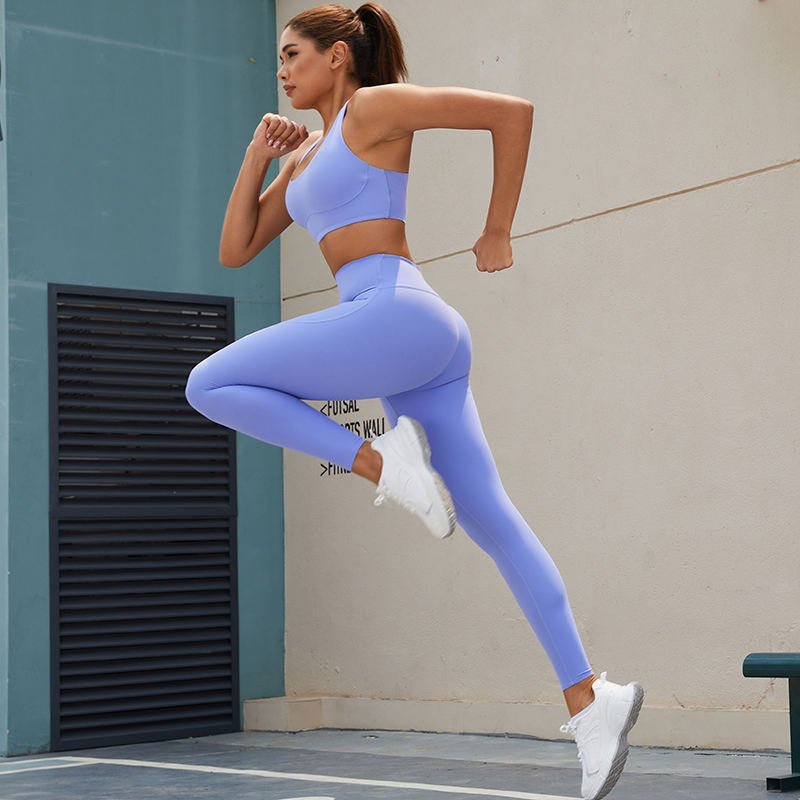
According to data from Statista, the global activewear market continues to grow as more people adopt fitness-focused lifestyles.
For clothing brands, staying ahead of trends can help:
- design more appealing products
- attract younger consumers
- build stronger brand identity
Trend #1: Hybrid Gym-to-Street Apparel
One of the biggest trends for 2026 is the rise of hybrid fitness apparel.
Consumers increasingly prefer clothing that can transition between workouts and everyday life.
Examples include:
- oversized gym hoodies
- performance joggers
- stylish training jackets
This crossover between streetwear and sportswear allows activewear brands to reach wider audiences.
Brands like Nike have already embraced this trend by blending performance and lifestyle design.
Trend #2: Sustainable Activewear Fabrics
Sustainability continues to shape the future of fitness apparel.
Many consumers now actively search for eco-friendly clothing options.
Popular Sustainable Fabrics
| Fabric | Benefit |
|---|---|
| Recycled polyester | reduces plastic waste |
| Organic cotton | lower environmental impact |
| Recycled nylon | durable and eco-friendly |
| Bamboo blends | breathable and soft |
Brands that integrate sustainable materials often gain stronger support from younger consumers.
Trend #3: Functional Fitness Clothing
Functional training programs such as HIIT and strength conditioning are becoming increasingly popular.
These workouts require clothing that supports dynamic movement and durability.
Key Functional Features
| Feature | Benefit |
|---|---|
| 4-way stretch fabrics | full mobility |
| sweat-wicking materials | moisture control |
| reinforced seams | improved durability |
| breathable panels | temperature regulation |
Functional training apparel is quickly becoming a core category in modern gyms.
Trend #4: Seamless and Second-Skin Fit
Seamless activewear has become extremely popular because it provides comfort and flexibility.
Unlike traditional garments, seamless clothing reduces friction and improves stretch.
Advantages of Seamless Activewear
- improved comfort
- better flexibility
- smoother appearance
This design approach is particularly popular for leggings and sports bras.
Trend #5: Gender-Neutral Activewear
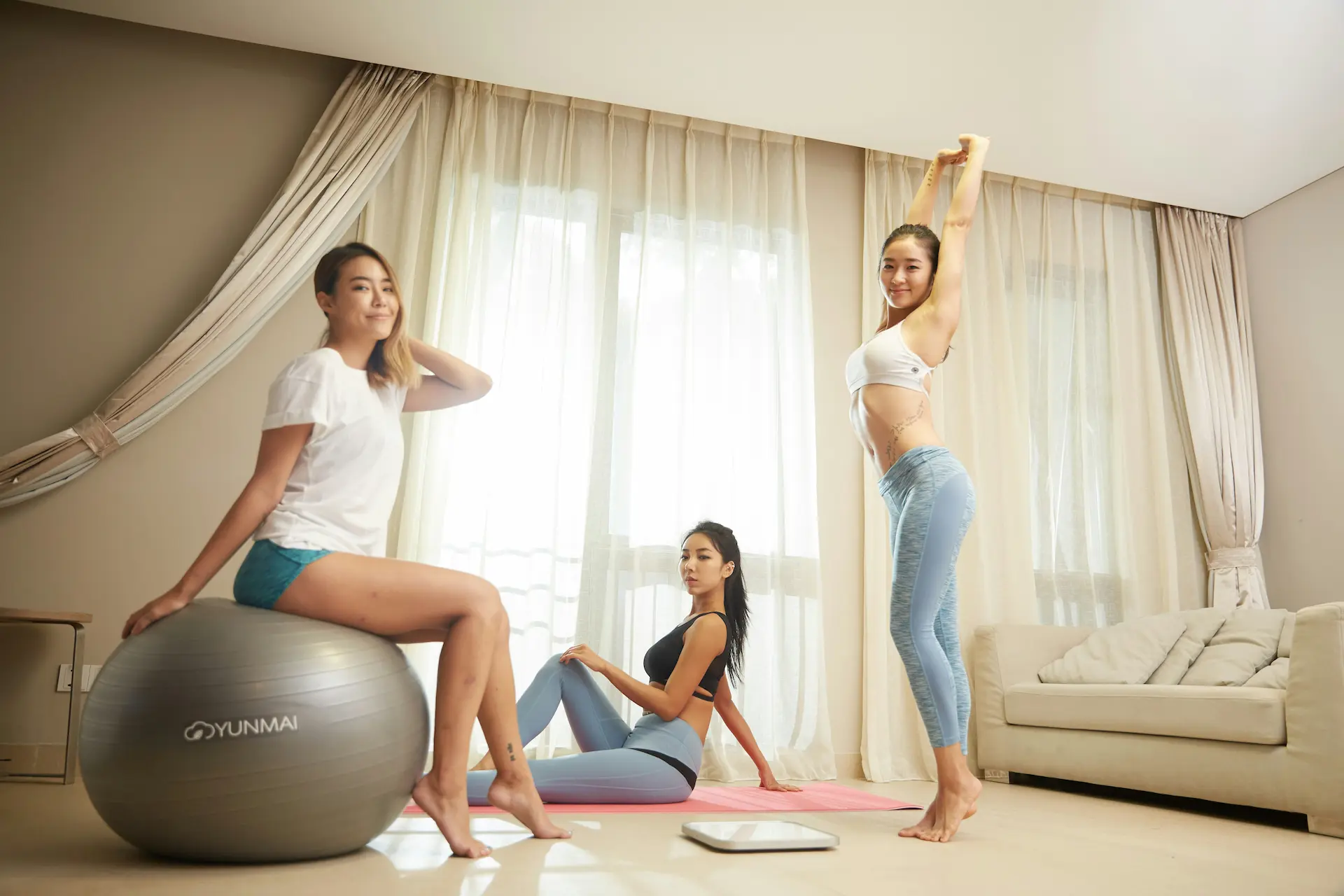
Many brands are introducing unisex or gender-neutral fitness collections.
These products focus on:
- versatile silhouettes
- neutral color palettes
- relaxed fits
This approach reflects changing attitudes toward fashion and identity.
Trend #6: Smart Performance Fabrics
Advances in textile technology are transforming the activewear industry.
Some new fabrics now offer features such as:
- temperature regulation
- anti-odor treatment
- UV protection
These innovations improve both comfort and performance.
Trend #7: Minimalist Branding
Another trend for 2026 is the shift toward subtle branding.
Rather than large logos, many consumers now prefer:
- small embroidered logos
- tonal branding
- clean garment design
Minimalist branding allows clothing to blend easily into everyday outfits.
How Brands Can Adapt to These Trends
For new fitness brands, adapting to industry trends requires strategic planning.
From my experience working with activewear startups, successful brands usually focus on three key areas.
1. Product Innovation
Brands should experiment with:
- new fabrics
- ergonomic garment designs
- sustainable materials
2. Lifestyle Branding
Modern consumers connect with brands that represent a lifestyle rather than just selling clothing.
3. Reliable Manufacturing
Behind every successful clothing brand is a strong manufacturing partner.
Working with experienced suppliers can help brands develop high-quality activewear collections.
For example:
👉 Custom Activewear Manufacturer
Manufacturers can assist with:
- product development
- fabric sourcing
- logo customization
- scaling production
FAQ About Activewear Trends
What are the biggest activewear trends for 2026?
Some of the most important trends include sustainable fabrics, seamless designs, hybrid gym-streetwear, and functional training apparel.
Why is sustainable activewear becoming popular?
Consumers are becoming more aware of environmental issues and prefer brands that prioritize eco-friendly production.
Are minimalist designs replacing bold logos?
In many cases, yes. Subtle branding is becoming more common in modern activewear collections.
Will activewear continue to grow as a fashion category?
Yes. Fitness culture and athleisure fashion continue to drive strong demand for activewear globally.
Final Thoughts
The activewear industry continues to evolve as consumer expectations change.
In 2026, the most successful brands will likely focus on:
- sustainable materials
- functional performance features
- versatile lifestyle designs
From my experience working with fitness apparel brands, companies that combine strong product innovation with reliable manufacturing partners are best positioned for long-term success.
If you're exploring activewear production for your brand, you can learn more here:
Understanding upcoming trends can help brands design better products and stay ahead in the competitive activewear market.
