
Table of Contents
- Quick Answer
- Why Gym T-Shirt Fabrics Fail
- What I’ve Learned Choosing Gym Fabrics
- The Gym T-Shirt Fabric Selection Process
- Key Fabric Metrics That Matter
- Recommended Gym T-Shirt Manufacturers
- Factory Comparison Table
- How to Choose the Right Partner
- FAQs
- Work With Fukigymwear
Quick Answer
Choosing fabric for a gym T-shirt is not about softness. It is about opacity under stretch, moisture behavior, recovery, and wash stability.
From my experience, most gym tees fail because:
- Fabric turns see-through when stretched
- Shirts feel heavy when wet
- Collars lose shape after washing
- Pilling appears after 10–20 wears
A gym T-shirt fabric must perform under sweat, heat, and motion—not just look good on a hanger.
Why Gym T-Shirt Fabrics Fail
Gym fabrics fail when brands choose by feel instead of data:
- Lightweight jerseys shift in cutting
- Low-twist yarns pill quickly
- Poor recovery causes bagging
- Unstable dye lots shrink unevenly
What feels premium in sampling can:
- Become transparent in the gym
- Twist after washing
- Hold sweat
- Lose structure in bulk runs
Fabric is the foundation. Every shortcut shows up on the body.
What I’ve Learned Choosing Gym Fabrics
Across many programs, I see two outcomes:
Weak Fabric Systems
- Random GSM
- No stretch recovery tests
- No wash data
- High return rates
Strong Fabric Systems
- GSM locked by range
- Opacity tested under stretch
- Recovery measured
- Wash-tested before sampling
Great gym tees are engineered, not guessed.
The Gym T-Shirt Fabric Selection Process
1. Define Performance Targets
Start with:
- Intended activity (lifting, HIIT, running)
- Climate (hot vs. indoor)
- Fit style (slim vs. relaxed)
These determine fabric weight and structure.
2. Choose Fabric Type
| Fabric Type | Best For | Risk |
|---|---|---|
| Cotton/Spandex | Soft training tees | Holds sweat |
| Polyester | Lightweight performance | Can feel synthetic |
| Poly/Spandex | High movement | Can shine |
| Nylon Blends | Premium feel | Higher cost |
3. Lock GSM Range
Typical gym tees perform best between:
- 170–200g for all-purpose training
- 150–170g for summer or lightweight lines
- 200–220g for structured silhouettes
Never allow open GSM in bulk.
4. Test Stretch & Recovery
Every fabric should be tested for:
- Stretch percentage
- Recovery after 30 seconds
- Bagging at elbows and chest
Poor recovery leads to sagging tees.
5. Wash & Wear Validation
Before approval:
- Wash 3–5 cycles
- Check shrinkage
- Check pilling
- Check collar distortion
- Wear during training
Fabric that fails here will fail in the market.
Key Fabric Metrics That Matter
| Metric | Why It Matters |
|---|---|
| GSM | Controls opacity and drape |
| Opacity Under Stretch | Prevents see-through |
| Recovery Rate | Shape retention |
| Pilling Grade | Long-term quality |
| Shrink Rate | Size stability |
| Moisture Behavior | Comfort during training |
Recommended Gym T-Shirt Manufacturers
1. Fukigymwear – Performance Tee OEM

Activewear-focused OEM with in-house fabric testing and low MOQ.
Best for: Brands needing engineered gym fabrics.
2. MAS Holdings – Technical Activewear
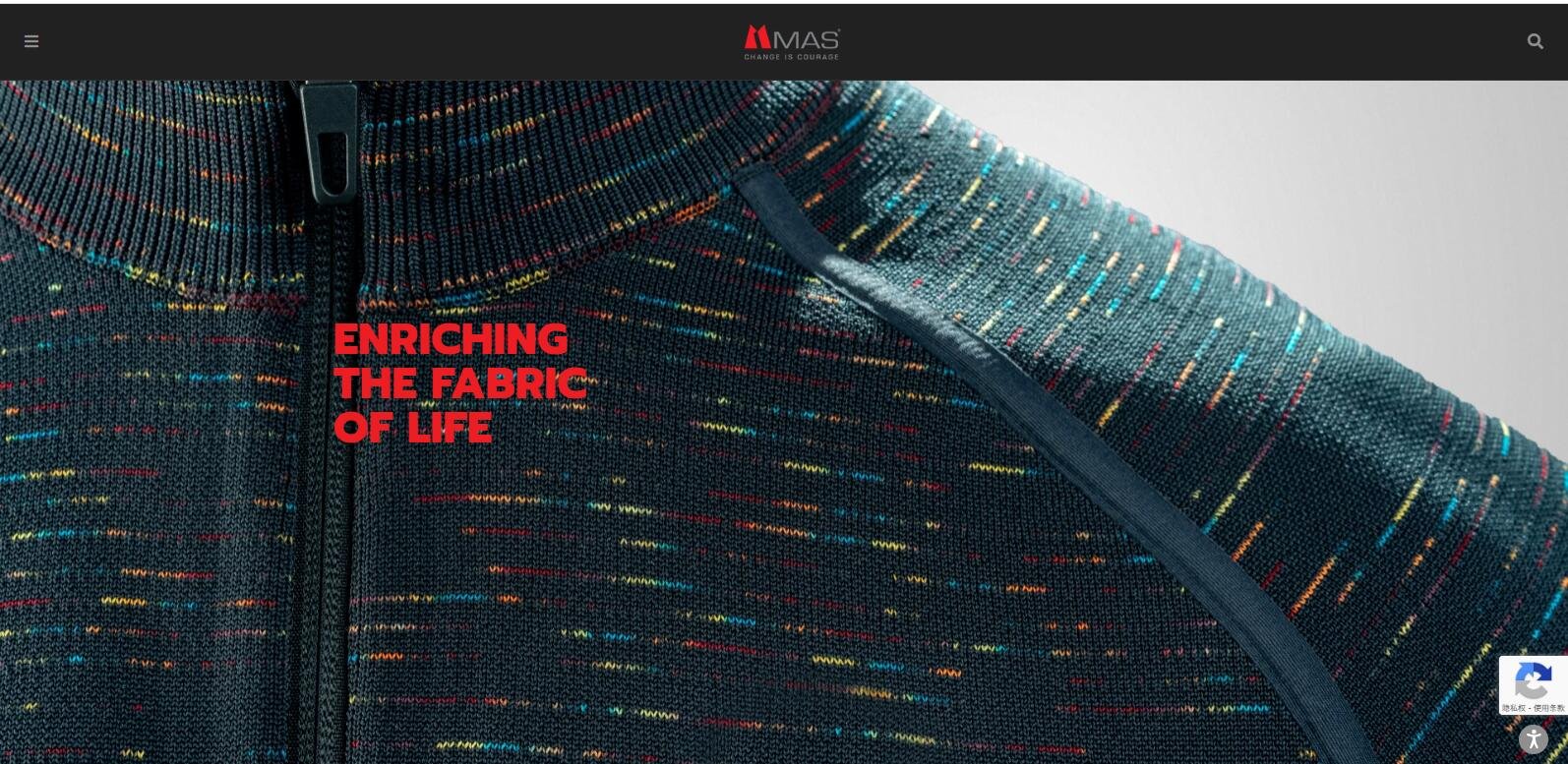
Global leader in performance fabric development.
Best for: Premium technical tees.
3. Hansae – Global Apparel Group
👉 Hansae

Large-scale manufacturer with stable fabric sourcing.
Best for: Retail volume programs.
4. Makalot – Sportswear Specialist
👉 Makalot

Strong in lightweight knit performance fabrics.
Best for: Lifestyle-performance hybrids.
5. Shenzhou International – Knitwear Expert

One of the world’s largest knit fabric and garment producers.
Best for: High-volume gym tees.
Factory Comparison Table
| Factory | MOQ | Fabric Control | Best For |
|---|---|---|---|
| Fukigymwear | 100–300 | High | New brands |
| MAS Holdings | 1,000+ | Very High | Premium |
| Hansae | 1,000+ | Medium | Retail |
| Makalot | 800+ | Medium | Lifestyle |
| Shenzhou Intl | 2,000+ | Medium | Mass volume |
How to Choose the Right Partner
- First gym tee launch → Fukigymwear
- Technical performance → MAS Holdings
- Retail rollout → Hansae
- Style-driven tees → Makalot
- Large-scale growth → Shenzhou International
Choose partners who engineer fabrics, not just source them.
FAQs
Q: What is the best fabric for gym T-shirts?
A: Most brands succeed with poly/spandex blends around 170–190g for balance.
Q: Why do some tees become see-through?
A: Low GSM and poor yarn density under stretch.
Q: Can fabric be customized at low MOQ?
A: Yes—partners like Fukigymwear support small-batch fabric programs.
Work With Fukigymwear
If your gym T-shirt must:
- Stay opaque
- Hold shape
- Handle sweat
- Scale consistently
👉 Fukigymwear offers gym T-shirt OEM with engineered fabric selection, testing, and low-MOQ production for performance brands.
