
Table of Contents
- Quick Answer
- Why Fabric and Support Define a Sports Bra
- What I’ve Learned From Real Production
- Core Fabric Types Used in Sports Bras
- How Support Is Actually Engineered
- Fabric vs Support: Matching Use Scenarios
- Recommended Manufacturers for Fabric & Support Development
- Factory Comparison Table
- How to Choose the Right Setup for Your Brand
- FAQs
- Work With Fukigymwear
Quick Answer
Great sports bras are not “soft tops with elastic.”
They are engineered systems built from fabric behavior, stretch direction, panel layout, and support architecture.
From my experience developing activewear:
- Fabric decides feel, breathability, and recovery
- Structure decides support level and bounce control
- The wrong pairing creates returns—even if the bra “looks good”
A high-support bra with weak fabric fails.
A premium fabric with no structure slides.
Why Fabric and Support Define a Sports Bra
When brands ask me:
“Why does our bra feel good on the model but fail in real wear?”
The answer is usually one of these:
- Fabric stretches too much under load
- Recovery is poor after sweat + wash
- Support zones are decorative, not functional
- Elastic is doing all the work
A real sports bra distributes force across:
- Main body fabric
- Inner power layers
- Strap geometry
- Underband tension
- Panel orientation
Fabric and structure must be designed together.
What I’ve Learned From Real Production
Across multiple brands, the same mistakes repeat:
- Brands choose fabric by hand feel only
- Support is added with thicker elastic
- Bulk production reveals sagging and bounce
- Returns spike
Strong brands do the opposite:
- They test stretch & recovery curves
- They map support zones
- They prototype under motion, not mirrors
Support is not thickness.
Support is controlled resistance.
Core Fabric Types Used in Sports Bras
| Fabric Type | Behavior | Best Use |
|---|---|---|
| Nylon/Spandex | Smooth, high recovery | Everyday & medium support |
| Polyester/Spandex | Durable, cost-effective | Entry-level bras |
| Double-knit | Dense, stable | High support |
| Power mesh | Controlled stretch | Inner support layers |
| Recycled blends | Eco positioning | Lifestyle & yoga |
Key metrics we test:
- Stretch % under load
- Recovery after 30 min
- Sheer resistance when stretched
- Heat retention
Fabric that feels premium can still fail structurally.
How Support Is Actually Engineered
Support is built through:
- Panel direction (vertical vs horizontal tension)
- Inner layers (power mesh or double knit)
- Strap geometry (racerback vs H-back)
- Underband structure (elastic width + tension)
- Seam placement (load-bearing vs decorative)
| Support Level | Structural Approach |
|---|---|
| Light | Single-layer knit + soft elastic |
| Medium | Double-layer body + shaped straps |
| High | Power mesh core + rigid underband |
Elastic alone never solves bounce.
Fabric vs Support: Matching Use Scenarios
| Activity | Fabric Focus | Support Design |
|---|---|---|
| Yoga | Soft hand feel | Light compression |
| Training | Breathability | Medium structure |
| Running | High recovery | Multi-layer core |
| HIIT | Heat release | High tension zones |
This is where many brands fail—using “one bra for all.”
Recommended Manufacturers for Fabric & Support Development
1. Fukigymwear – Sports Bra Development Partner

OEM and private label production with fabric testing, stretch analysis, and multi-support bra systems.
Best for: Brands building technically correct bra lines.
2. Regina Miracle – Intimate & Sports Bra Engineering
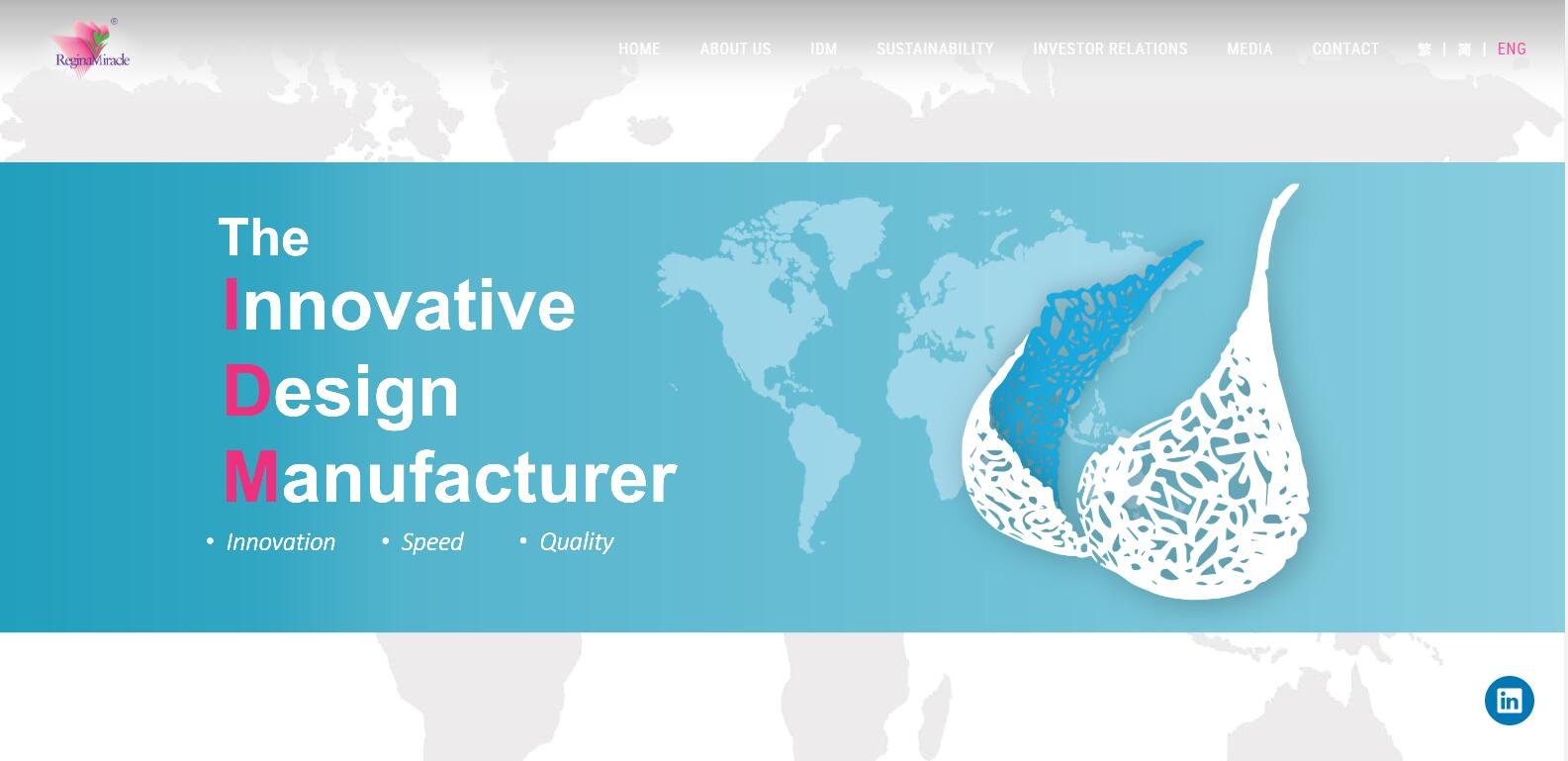
Global leader in seamless and molded bra technology.
Best for: Technical support and molded structures.
3. Hop Lun – Activewear & Lingerie Manufacturer
👉 Hop Lun
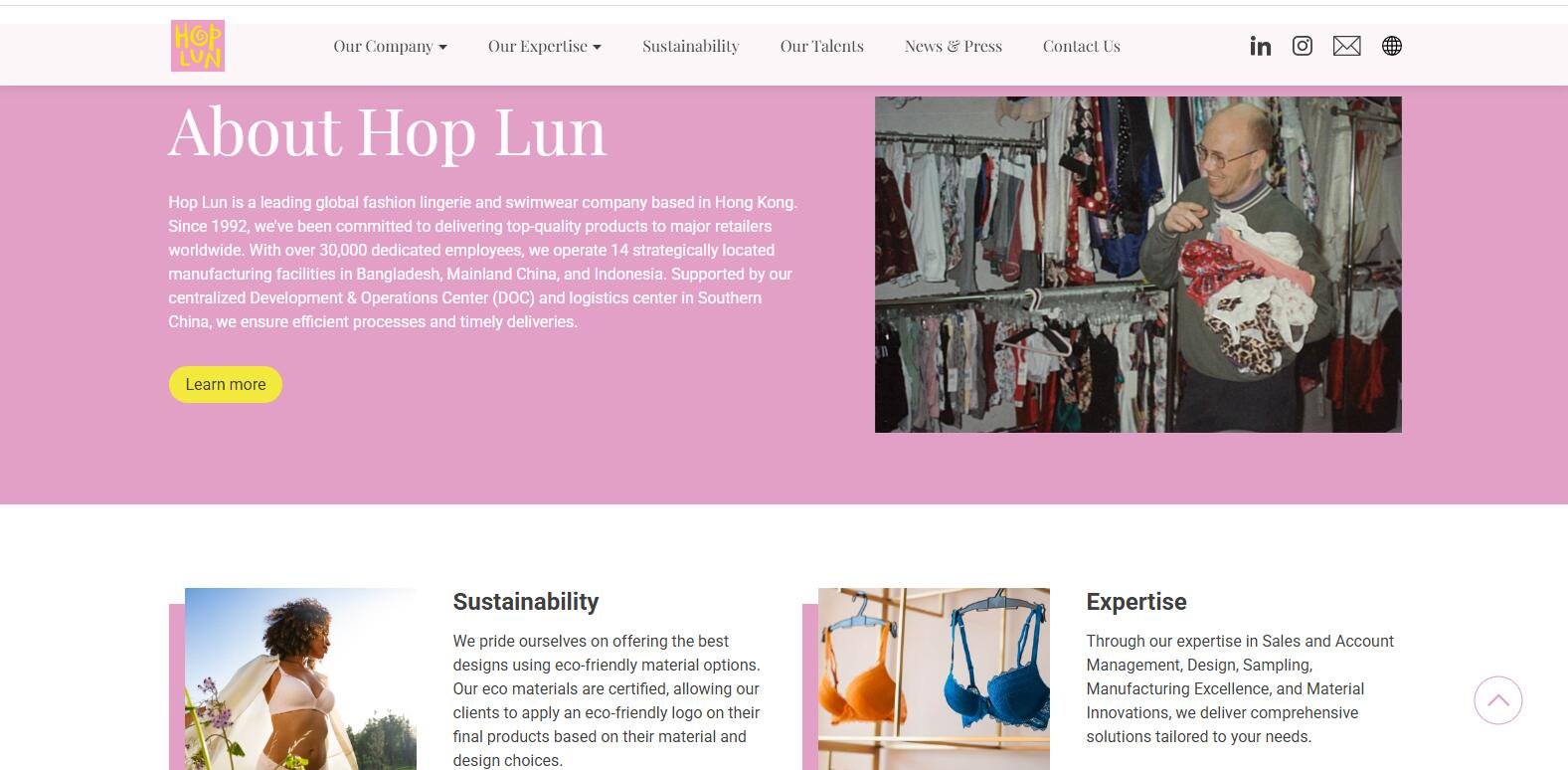
Large-scale OEM with strong sports bra and performance categories.
Best for: Scale with consistent structure.
4. Tex-Ray Industrial – Performance Apparel OEM
Focused on technical fabrics and engineered garment systems.
Best for: Performance-driven sports bras.
5. MAS Holdings – Sports Bra Engineering & Performance Systems
Global leader in performance underwear and sports bra engineering, with advanced fabric labs, molding systems, and support architecture.
Best for: High-support sports bras and performance-driven collections.
Factory Comparison Table
| Manufacturer | Core Strength | MOQ | Best Use |
|---|---|---|---|
| Fukigymwear | Fabric + structure integration | Low | Growing brands |
| Regina Miracle | Seamless & molded tech | Medium | Technical bras |
| Hop Lun | Scale & consistency | High | Large programs |
| Tex-Ray Industrial | Performance systems | Medium | Training bras |
| MAS Holdings | Support engineering & labs | High | High-support bras |
How to Choose the Right Setup for Your Brand
- First bra line → Fukigymwear
- Molded or seamless → Regina Miracle
- Large scale → Hop Lun
- Performance focus → Tex-Ray Industrial
- High-support & performance bras → MAS Holdings
Choose based on engineering depth, not just cost.
FAQs
Q: Can one fabric work for all support levels?
A: No. Support requires different stretch behavior and structure.
Q: Why do bras lose shape after washing?
A: Poor recovery or unstable elastics.
Q: Is thicker fabric always better?
A: No. Controlled resistance matters more than thickness.
Work With Fukigymwear
If you’re developing sports bras with real support performance,
you need a partner who understands fabric behavior and structural design.
👉 Fukigymwear
provides OEM and private label sports bra development with fabric testing, support mapping, and scalable production systems.
