
Table of Contents
- Quick Answer
- What “Manufacturing Standards” Really Mean in Compression Wear
- My Experience Working With Compression Factories
- Core Standards Every Compression Factory Must Meet
- Fabric Standards for Men’s Compression Wear
- Production Workflow & Quality Checkpoints
- Recommended Men’s Compression Wear Manufacturers
- Factory Capability Comparison
- How to Evaluate a Compression Wear Factory
- FAQs
- Work With Fukigymwear
Quick Answer
Men’s compression wear lives or dies by manufacturing standards.
From my experience, most compression failures don’t come from design—they come from factories that lack control over fabric recovery, seam tension, pressure consistency, and bulk stability.
When standards slip, compression garments:
- Lose shape after a few washes
- Feel uneven across the body
- Roll, twist, or bag at stress points
- Generate customer complaints fast
A real compression factory enforces standards from fabric testing through bulk QC.
What “Manufacturing Standards” Really Mean in Compression Wear
In compression apparel, “standard” is not a marketing word. It means:
- Defined stretch & recovery thresholds
- Consistent seam construction methods
- Controlled stitch tension
- Pattern precision within millimeters
- In-line quality checks during sewing
Regular gymwear can hide small errors. Compression wear exposes them immediately.
My Experience Working With Compression Factories
I’ve worked on compression projects for:
- Training base layers
- Long-sleeve compression tops
- Tights and compression shorts
- Hybrid performance pieces
Across different brands, the pattern is always the same:
- Samples feel perfect
- Bulk feels softer
- After washing, garments lose hold
- Customers say “it’s not compressing anymore”
The cause is almost always a broken production standard between sample and bulk.
Core Standards Every Compression Factory Must Meet
| Standard Area | Why It Matters |
|---|---|
| Fabric recovery rate | Prevents long-term bagging |
| Stretch ratio control | Keeps pressure consistent |
| Seam type (flatlock) | Avoids chafing |
| Stitch tension | Maintains compression zones |
| Pattern tolerance | Prevents size drift |
If a factory cannot document these, it is not a true compression specialist.
Fabric Standards for Men’s Compression Wear
| Fabric Type | Standard Requirement |
|---|---|
| Nylon–spandex (70/30) | High recovery after 30+ cycles |
| Warp-knit compression | Stable pressure zones |
| Power mesh panels | Stretch without distortion |
| Brushed compression knit | Shape memory in cold climates |
Strong factories lock fabric lot numbers to prevent performance drift in bulk.
Production Workflow & Quality Checkpoints
Compression Target Definition
Zones and pressure intent are documented.Fabric Testing
Stretch, recovery, and opacity are measured.Prototype Sampling
Focus on tension balance and seam comfort.Wear & Wash Testing
Confirms real-world performance.Pre-Production Approval
Locks fabric and construction method.Bulk Production
Cutting and sewing follow locked standards.In-Line QC
Checks seam tension and recovery drift.
Skipping wear testing is the most common compression failure.
Recommended Men’s Compression Wear Manufacturers
1. Fukigymwear – Men’s Compression Wear Manufacturer
👉 Fukigymwear – Men’s Compression Wear

Specialized in gym-focused compression with strong control over fabric recovery and seam standards.
Best for: Fitness brands building scalable performance lines.
2. AEL Apparel – Performance Activewear Manufacturing
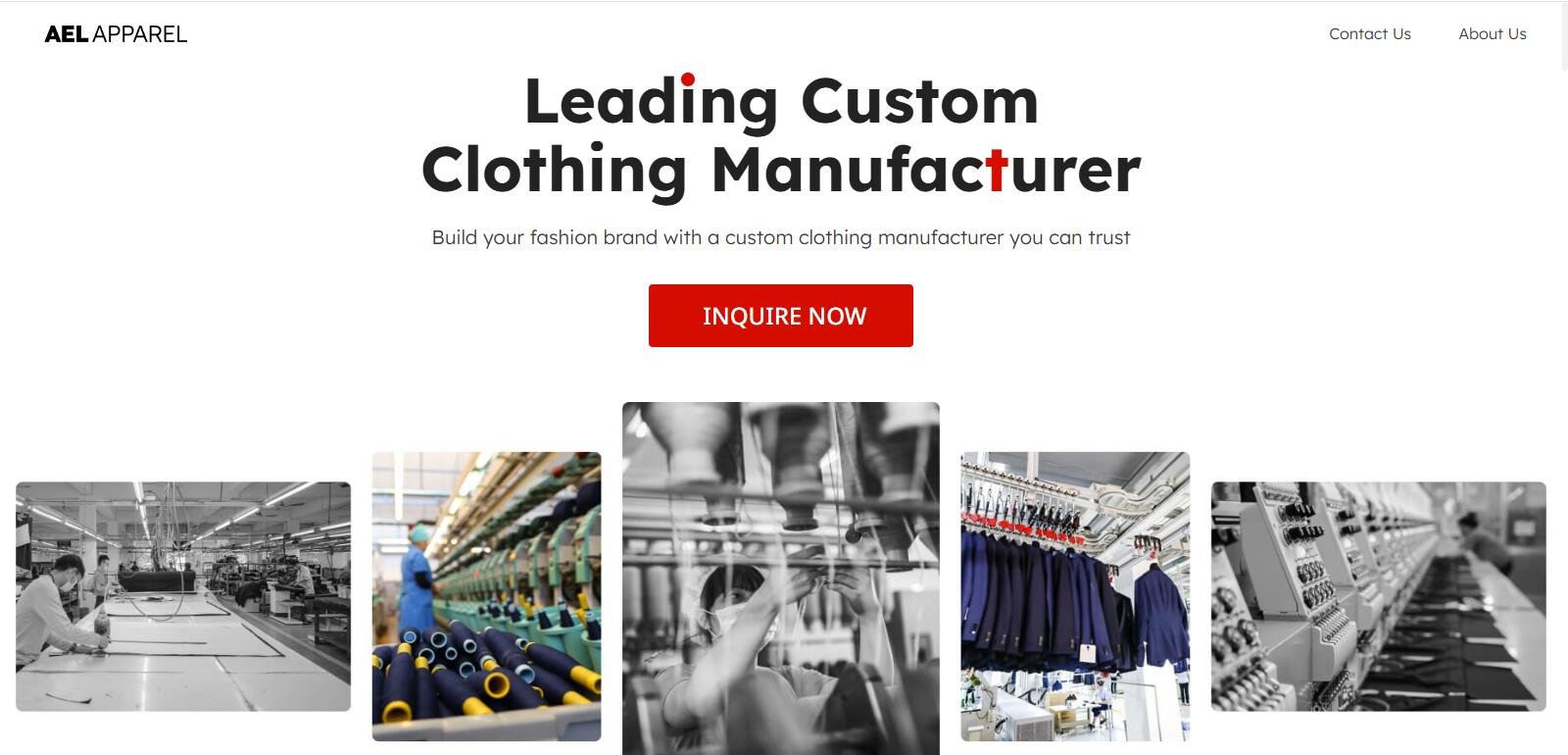
Large-scale producer with advanced technical fabric control.
Best for: Established performance brands.
3. Tegmade – Technical Activewear OEM
👉 Tegmade
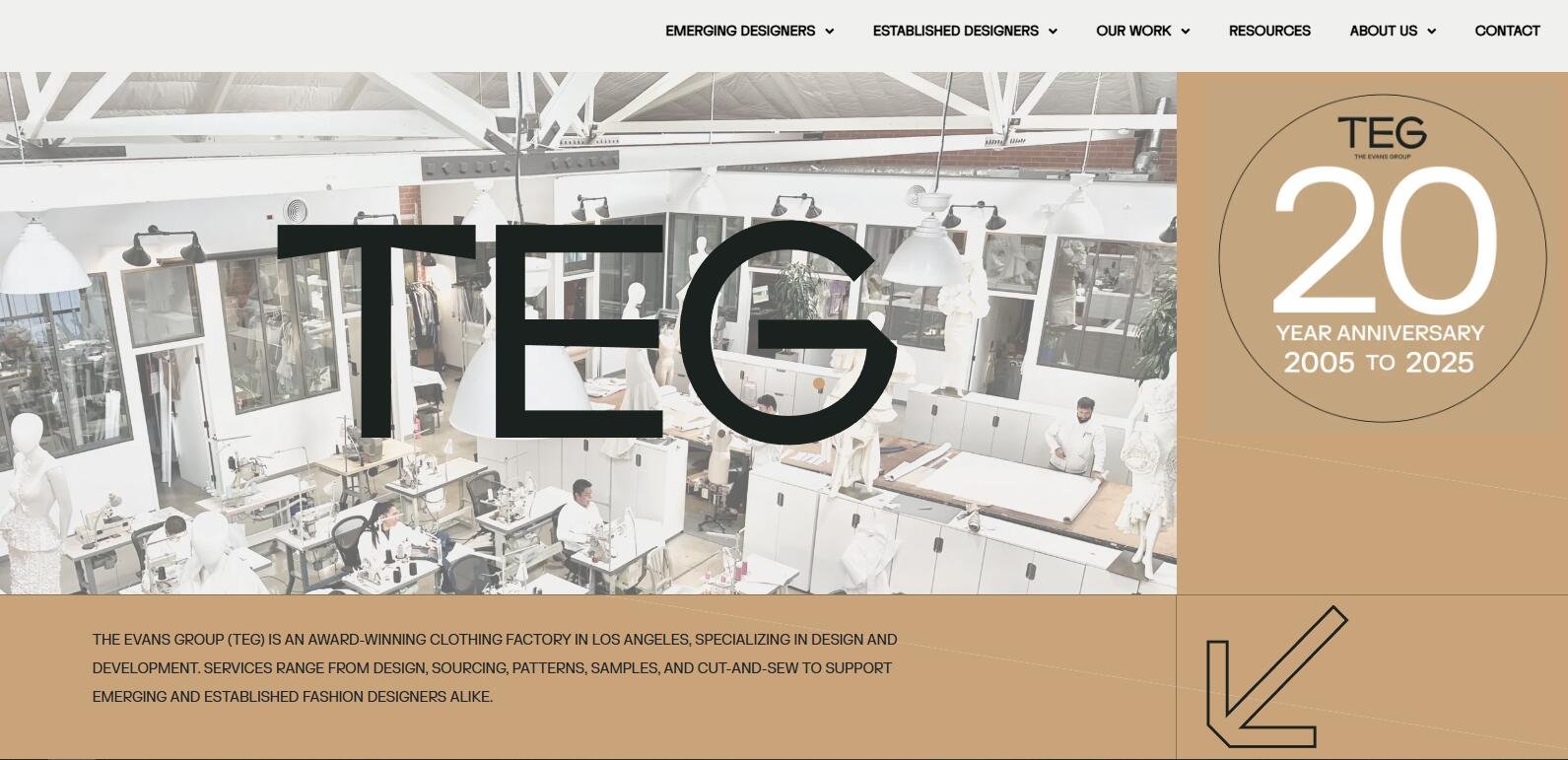
Focuses on functional construction and performance textiles.
Best for: Function-first compression programs.
4. Berunwear – Custom Activewear Manufacturer
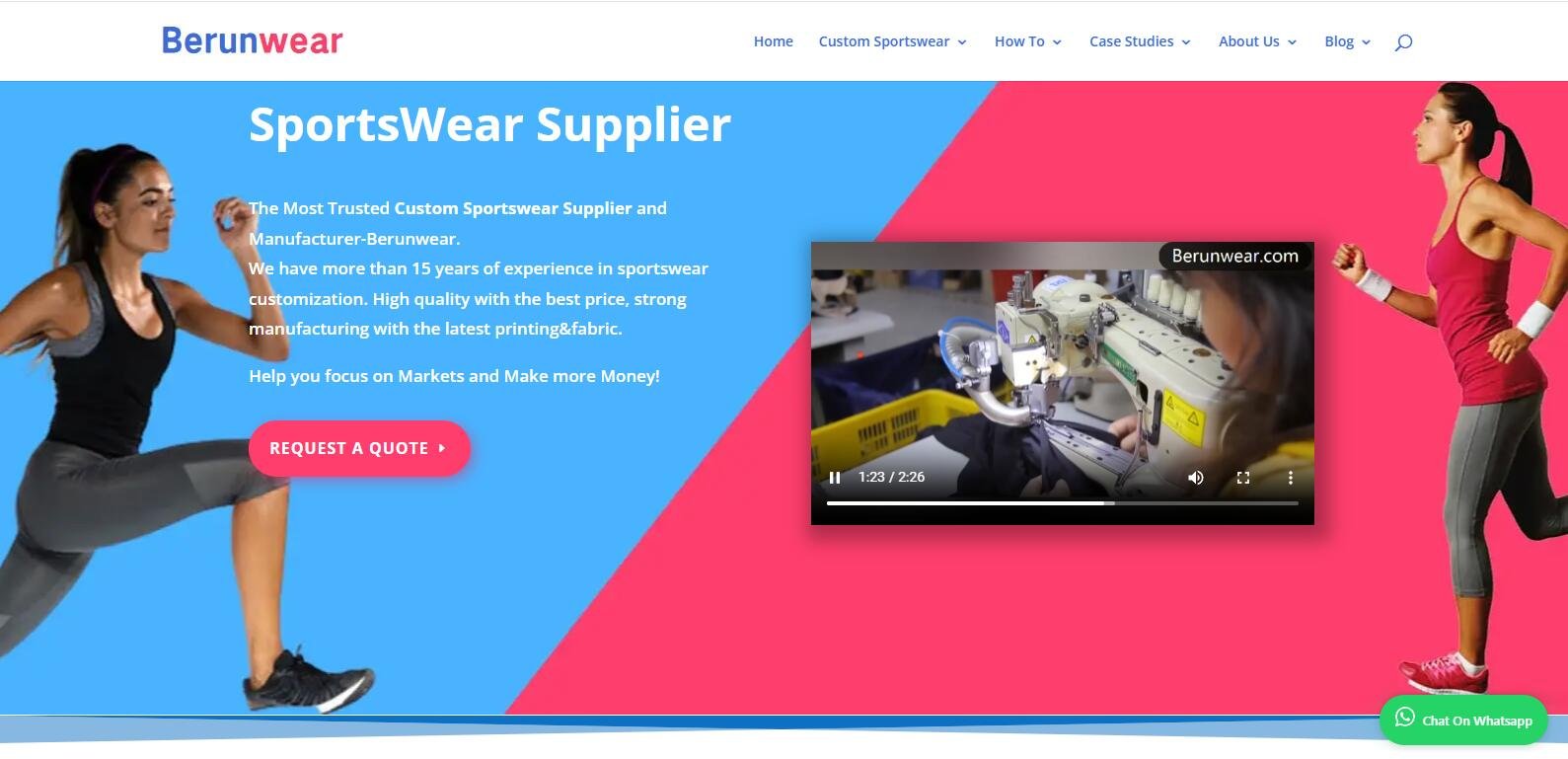
Balanced capabilities for compression tops and bottoms.
Best for: Brands scaling mid-volume collections.
5. Billoomi Fashion – Custom & Private Label Activewear
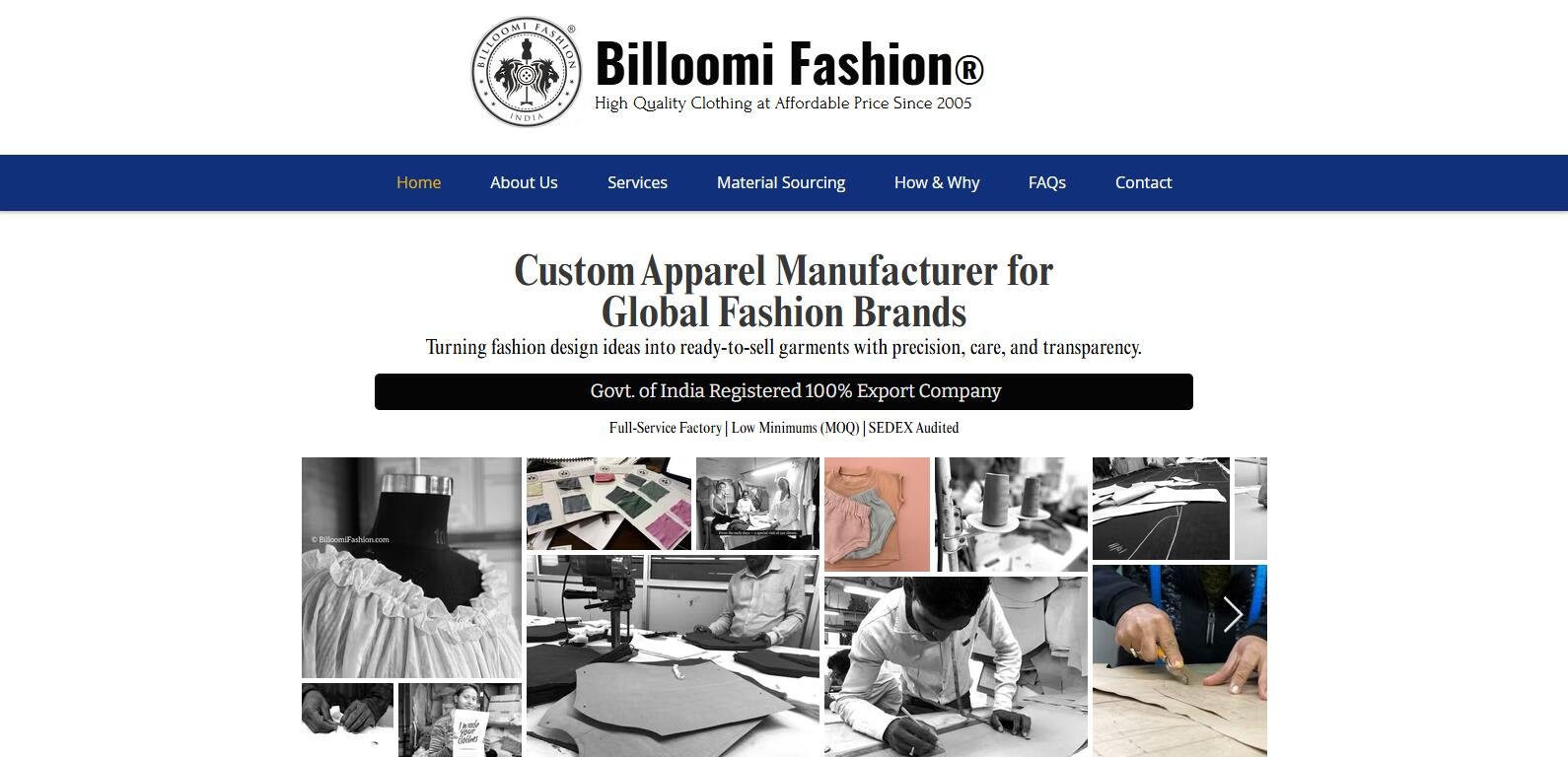
Supports low-to-mid MOQ compression projects.
Best for: Startups and test launches.
Factory Capability Comparison
| Factory | MOQ | Compression Expertise | QC Depth | Bulk Stability |
|---|---|---|---|---|
| Fukigymwear | Low | High | High | High |
| AEL Apparel | High | Very High | Very High | Very High |
| Tegmade | Medium | High | High | High |
| Berunwear | Medium | Medium | Medium | Medium |
| Billoomi Fashion | Low–Medium | Medium | Medium | Medium |
How to Evaluate a Compression Wear Factory
Ask these questions:
- How do you test fabric recovery?
- What seam type is standard for compression?
- How do you control stitch tension?
- How do you prevent bulk drift from samples?
- Can you provide wash-test data?
Factories that hesitate are not compression specialists.
FAQs
Q: Are compression standards stricter than leggings?
A: Yes. Compression tolerances are much tighter.
Q: Can compression be private label?
A: Yes, but performance still depends on factory standards.
Q: Typical MOQ for compression wear?
A: Usually 100–300 units per style.
Work With Fukigymwear
If you’re developing men’s compression wear and need a factory that enforces
real manufacturing standards—not marketing claims,
👉 Fukigymwear – Men’s Compression Wear Manufacturer offers OEM and private label production with strict fabric testing, seam control, and scalable QC.
