
Table of Contents
- Quick Answer
- Why Stretch & Recovery Define Compression Apparel
- What I’ve Learned From OEM Compression Projects
- How Factories Measure Stretch & Recovery
- Best Fabrics for OEM Compression Apparel
- OEM Process: From Fabric Test to Bulk Production
- Recommended OEM Compression Apparel Manufacturers
- Factory Capability Comparison
- How to Choose the Right OEM Partner
- FAQs
- Work With Fukigymwear
Quick Answer
In OEM compression apparel, stretch is meaningless without recovery.
From my experience, most brands focus on how far a fabric stretches—but the real performance comes from how completely and consistently it returns to shape after movement and washing.
Poor recovery leads to:
- Bagging at knees and elbows
- Loss of compression after a few wears
- Uneven pressure across muscle groups
- Customer complaints about “loose” fit
A capable OEM factory controls both stretch and recovery from fabric selection to bulk production.
Why Stretch & Recovery Define Compression Apparel
Compression garments must do three things at once:
- Stretch far enough for movement
- Apply even pressure during motion
- Snap back to shape after release
Regular activewear can tolerate minor deformation. Compression wear cannot.
If recovery drops by even 5–8%, the garment:
- Feels weaker
- Slides during training
- Loses its “second skin” effect
This is why OEM compression projects fail when factories treat them like tight leggings.
What I’ve Learned From OEM Compression Projects
Across multiple gym brands, I’ve seen the same pattern:
- Sample feels perfect
- Bulk feels softer after wash
- Size L behaves like XL after 10 wears
- Customers say “it doesn’t compress anymore”
The root cause is almost always fabric recovery drift between sample and bulk.
Strong OEM factories:
- Lock stretch ratios in tech packs
- Test recovery before cutting
- Reject fabric lots that drift
- Control sewing tension to preserve elasticity
How Factories Measure Stretch & Recovery
| Test | What It Shows |
|---|---|
| Stretch ratio (%) | Maximum extension |
| Recovery rate (%) | Return-to-shape |
| Cyclic stretch test | Fatigue resistance |
| Wash & dry cycles | Long-term stability |
| Opacity under stretch | Visual quality |
If a factory can’t explain these tests, they’re not equipped for real compression wear.
Best Fabrics for OEM Compression Apparel
| Fabric Type | Why It Works |
|---|---|
| Nylon–Spandex (70/30) | High recovery, smooth feel |
| Power Interlock | Stable compression zones |
| Warp-knit compression | Superior shape memory |
| Brushed compression knit | Cold-weather base layers |
| Mesh compression panels | Breathability with support |
Good OEM partners recommend fabric by sport intensity, not just cost.
OEM Process: From Fabric Test to Bulk Production
Compression Target Definition
Pressure zones and fit intent are defined.Fabric Sourcing & Lab Testing
Stretch and recovery are measured.Prototype Sampling
Focus on tension balance and comfort.Wear & Wash Testing
Garments are tested in real workouts.Pre-Production Approval
Locks fabric lot and construction method.Bulk Cutting & Sewing
Tension control preserves elasticity.In-Line QC
Recovery drift is monitored.
Skipping wash testing is the most common OEM mistake.
Recommended OEM Compression Apparel Manufacturers
1. Fukigymwear – OEM Compression Apparel
👉 Fukigymwear – OEM Compression Apparel

Specialized in gym-focused compression with strong control over fabric recovery and seam tension.
Best for: Fitness brands building long-term performance lines.
2. AEL Apparel – Performance Activewear Manufacturing
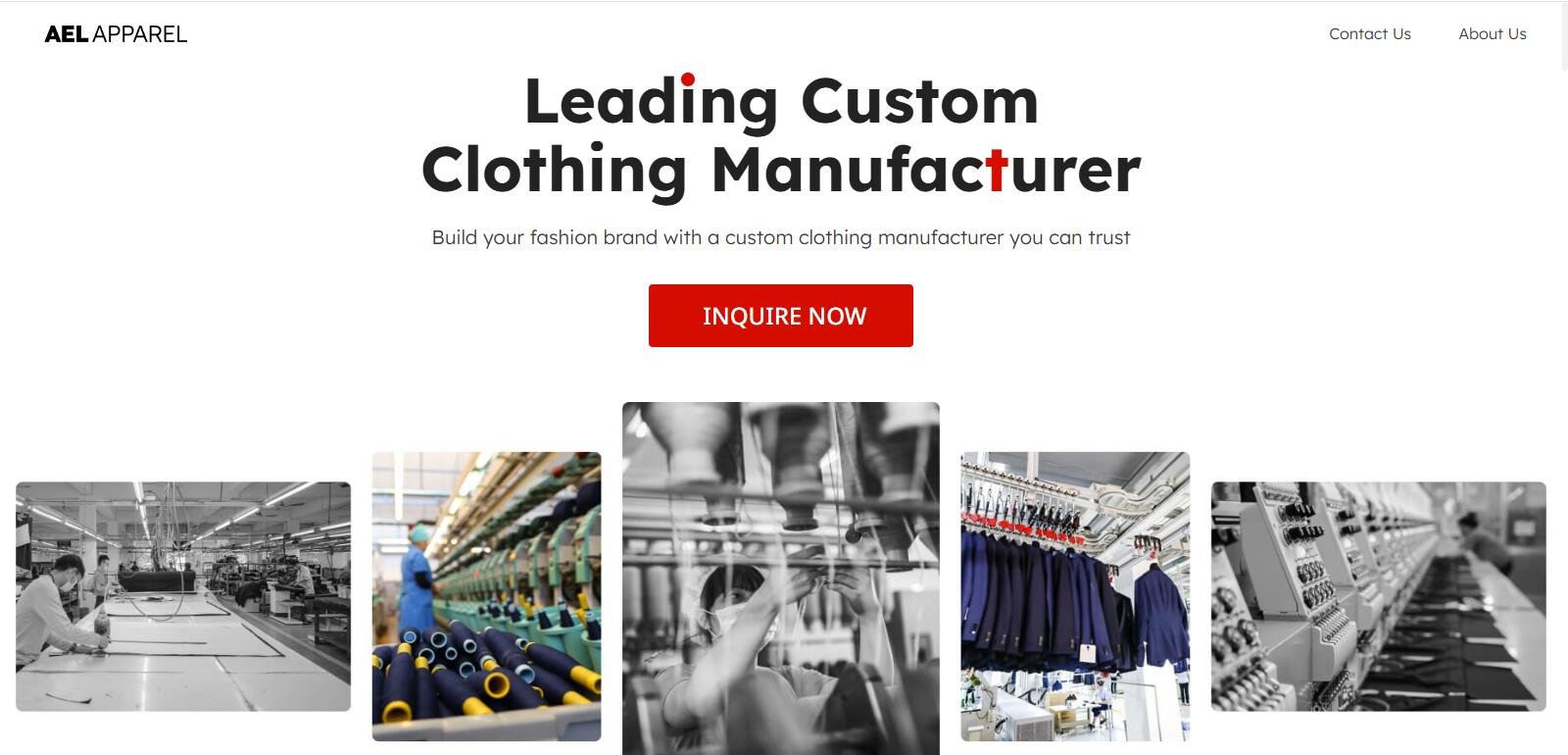
Large-scale producer with deep technical fabric expertise.
Best for: Established performance brands.
3. Tegmade – Technical Activewear OEM
👉 Tegmade
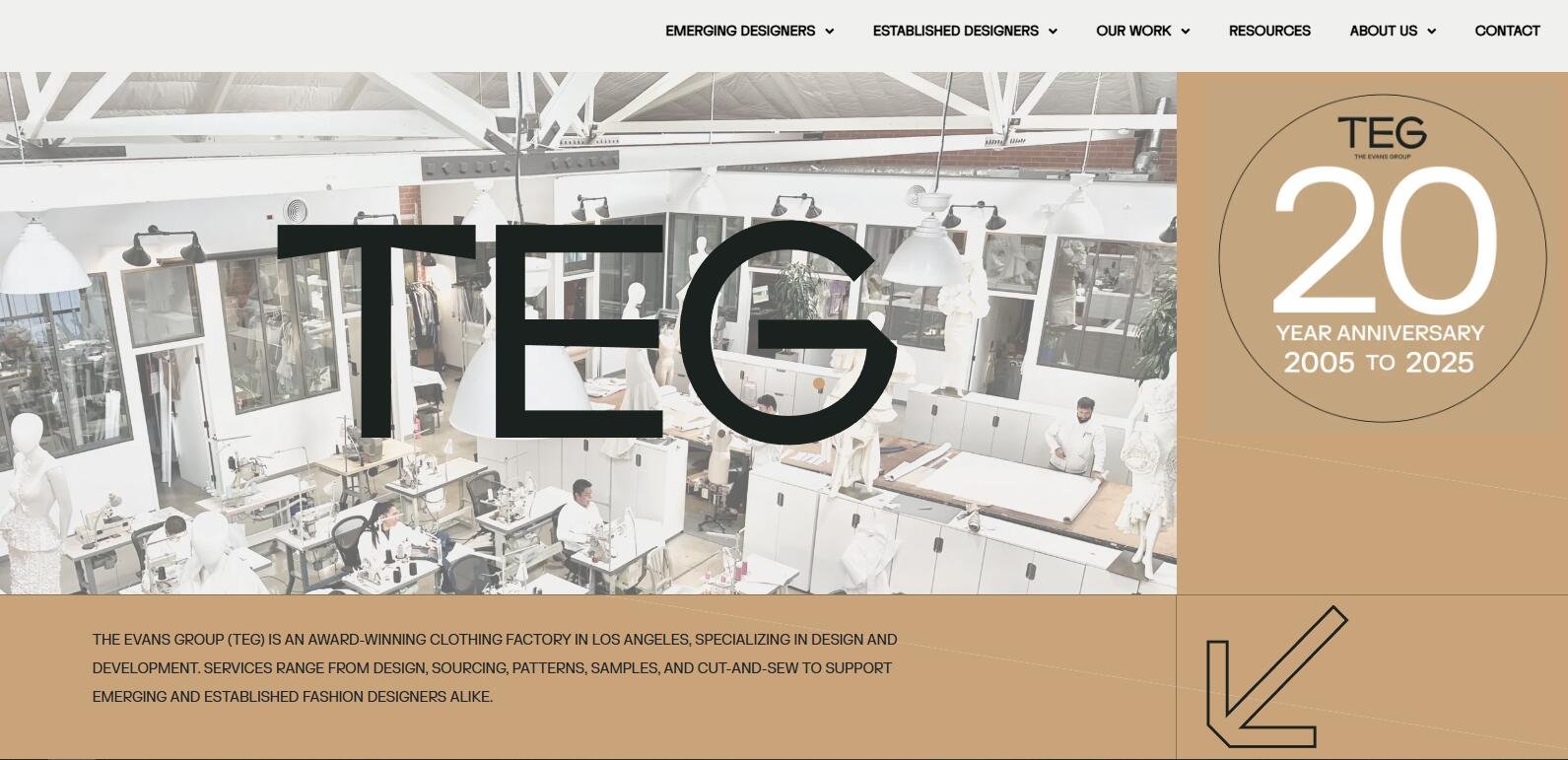
Focuses on functional construction and performance textiles.
Best for: Function-first compression programs.
4. Berunwear – Custom Activewear Manufacturer
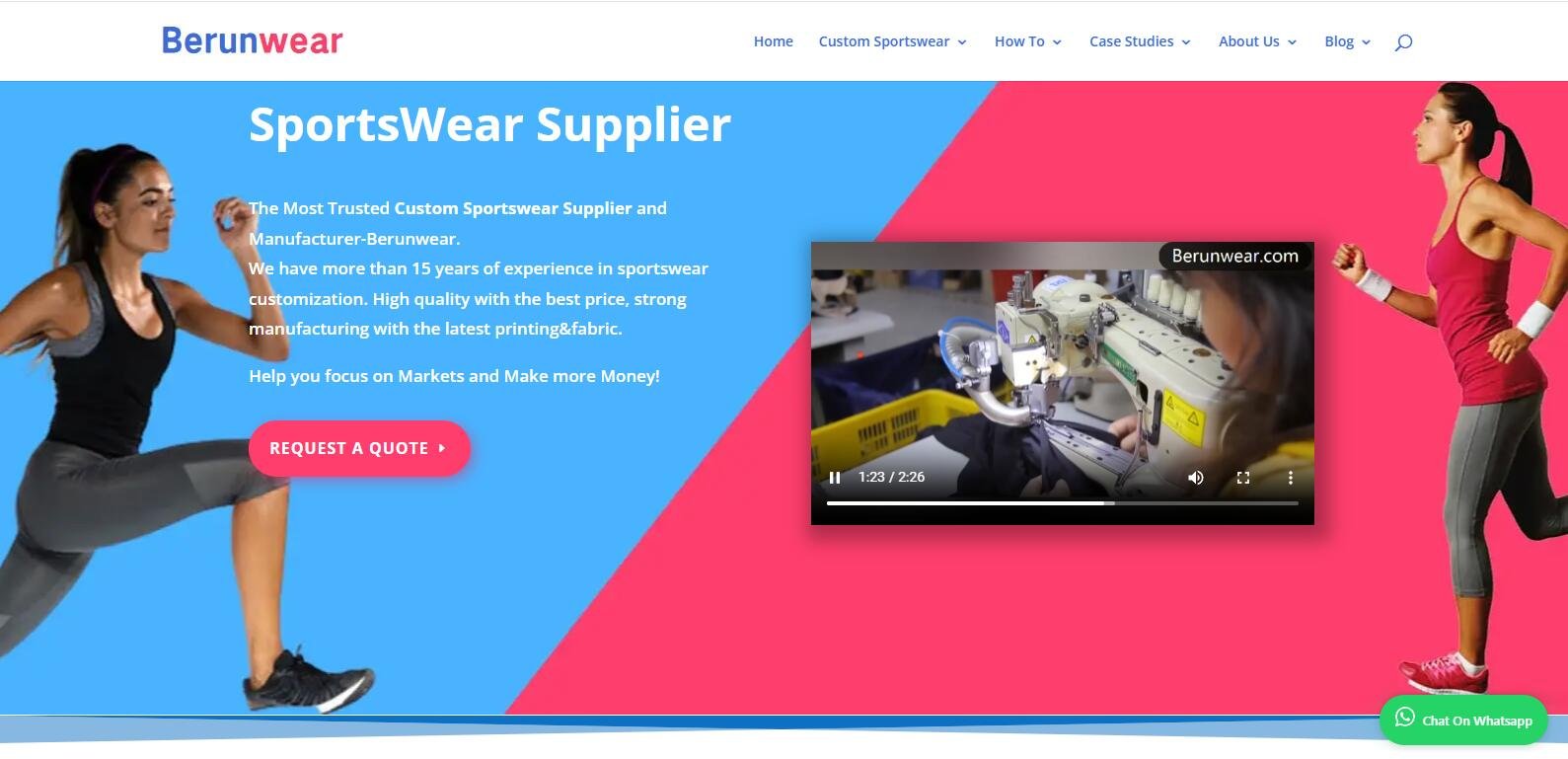
Balanced capabilities for compression tops and bottoms.
Best for: Brands scaling mid-volume collections.
5. Billoomi Fashion – Custom & Private Label Activewear
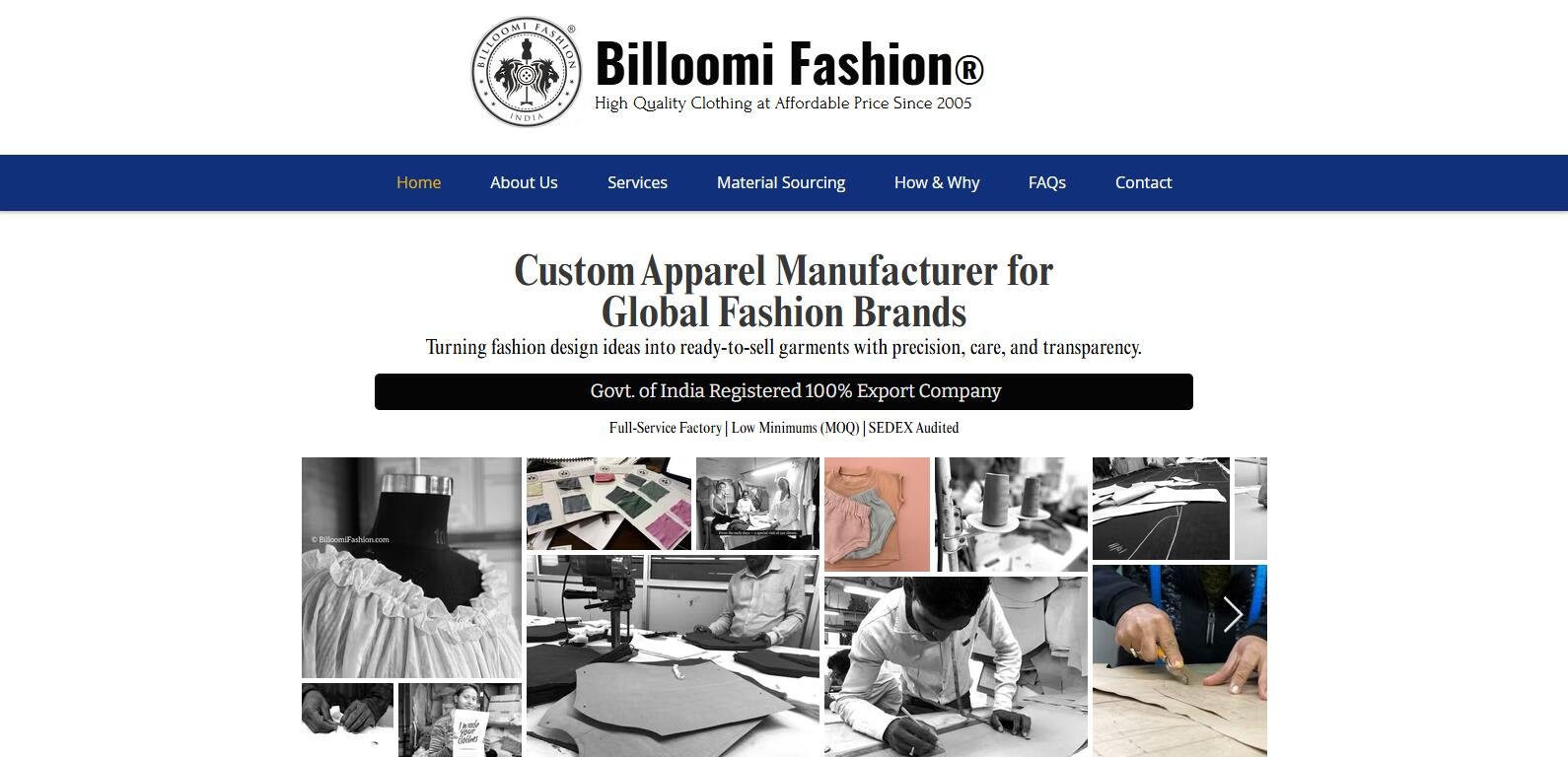
Supports low-to-mid MOQ OEM compression projects.
Best for: Startups and test launches.
Factory Capability Comparison
| Factory | MOQ | Fabric Testing | Recovery Control | Bulk Stability |
|---|---|---|---|---|
| Fukigymwear | Low | High | High | High |
| AEL Apparel | High | Very High | Very High | Very High |
| Tegmade | Medium | High | High | High |
| Berunwear | Medium | Medium | Medium | Medium |
| Billoomi Fashion | Low–Medium | Medium | Medium | Medium |
How to Choose the Right OEM Partner
Choose based on performance expectations:
- High-compression gymwear → Fukigymwear or Tegmade
- Large-scale technical programs → AEL Apparel
- Balanced cost & flexibility → Berunwear
- First compression launches → Billoomi Fashion
Always ask for:
- Stretch & recovery data
- Wash-test results
- Bulk fabric lot control plan
FAQs
Q: Is stretch more important than recovery?
A: No. Recovery defines long-term performance.
Q: Can any spandex fabric be used for compression?
A: No. Many stretch but fail to recover.
Q: Typical MOQ for OEM compression?
A: Usually 100–300 units per style.
Work With Fukigymwear
If you’re developing OEM compression apparel and need a factory that understands
fabric stretch, recovery, and long-term performance,
👉 Fukigymwear – OEM Compression Apparel Manufacturer offers full fabric testing, flexible MOQs, and performance-driven production control.
