
Table of Contents
- Quick Answer
- What Makes Compression Wear Different to Manufacture
- My Experience Producing Men’s Compression Wear
- Core Technical Elements Factories Must Control
- Common Fabrics Used in Men’s Compression Wear
- Step-by-Step: How Custom Compression Wear Is Made
- Recommended Men’s Compression Wear Manufacturers
- Factory Capability Comparison
- How to Choose the Right Factory
- FAQs
- Work With Fukigymwear
Quick Answer
Men’s compression wear is one of the most technically demanding categories in activewear manufacturing.
From my experience, success depends on pattern accuracy, fabric recovery, seam construction, and pressure consistency—not just stretch fabric.
This guide explains how custom men’s compression wear is manufactured, where factories often fail, and how brands should choose a production partner.
What Makes Compression Wear Different to Manufacture
Unlike regular gym apparel, compression garments must:
- Apply consistent pressure across muscle groups
- Maintain shape after repeated stretch and wash
- Avoid seam irritation under high tension
- Balance compression with breathability
- Fit tightly across multiple body types
Factories that treat compression like “tight leggings” usually fail in bulk.
My Experience Producing Men’s Compression Wear
I’ve worked with brands producing:
- Compression tops and long sleeves
- Base layers for training
- Compression shorts and tights
- Hybrid compression-performance pieces
What I learned quickly:
- Small pattern errors become painful in wear
- Fabric recovery matters more than initial stretch
- Flatlock seams are essential, not optional
- Bulk runs expose tension inconsistency
A capable factory solves these before production.
Core Technical Elements Factories Must Control
| Element | Why It Matters |
|---|---|
| Pattern precision | Controls compression zones |
| Fabric recovery | Prevents bagging over time |
| Seam type (flatlock) | Reduces chafing |
| Stitch tension | Maintains pressure consistency |
| Panel mapping | Supports muscle groups |
If a factory can’t explain how it manages these, expect performance issues.
Common Fabrics Used in Men’s Compression Wear
| Fabric Type | Typical Use |
|---|---|
| Nylon-spandex (70/30) | High-performance compression |
| Polyester-spandex | Lightweight training layers |
| Power mesh panels | Ventilation zones |
| Brushed compression knit | Cold-weather base layers |
Good factories recommend fabrics based on sport use and climate, not stock availability.
Step-by-Step: How Custom Compression Wear Is Made
Compression Mapping & Pattern Review
Zones and pressure intent are defined.Fabric Sourcing & Testing
Stretch ratio, recovery, and opacity are verified.Prototype Sampling
Focus on fit tension and seam comfort.Wear Testing & Adjustments
Garments are tested in real movement.Pre-Production Sample Approval
Locks fit, pressure, and branding placement.Bulk Cutting & Sewing
Precision cutting maintains size accuracy.Quality Control & Packing
In-line QC checks seam tension and recovery.
Skipping wear testing is the most common compression mistake.
Recommended Men’s Compression Wear Manufacturers
1. Fukigymwear – Men’s Compression Wear Manufacturer
👉 Fukigymwear – Men’s Compression Wear

OEM and private label production with strong control over compression fit and technical construction.
Best for: Fitness brands building scalable performance lines.
2. AEL Apparel – Performance Activewear Manufacturing
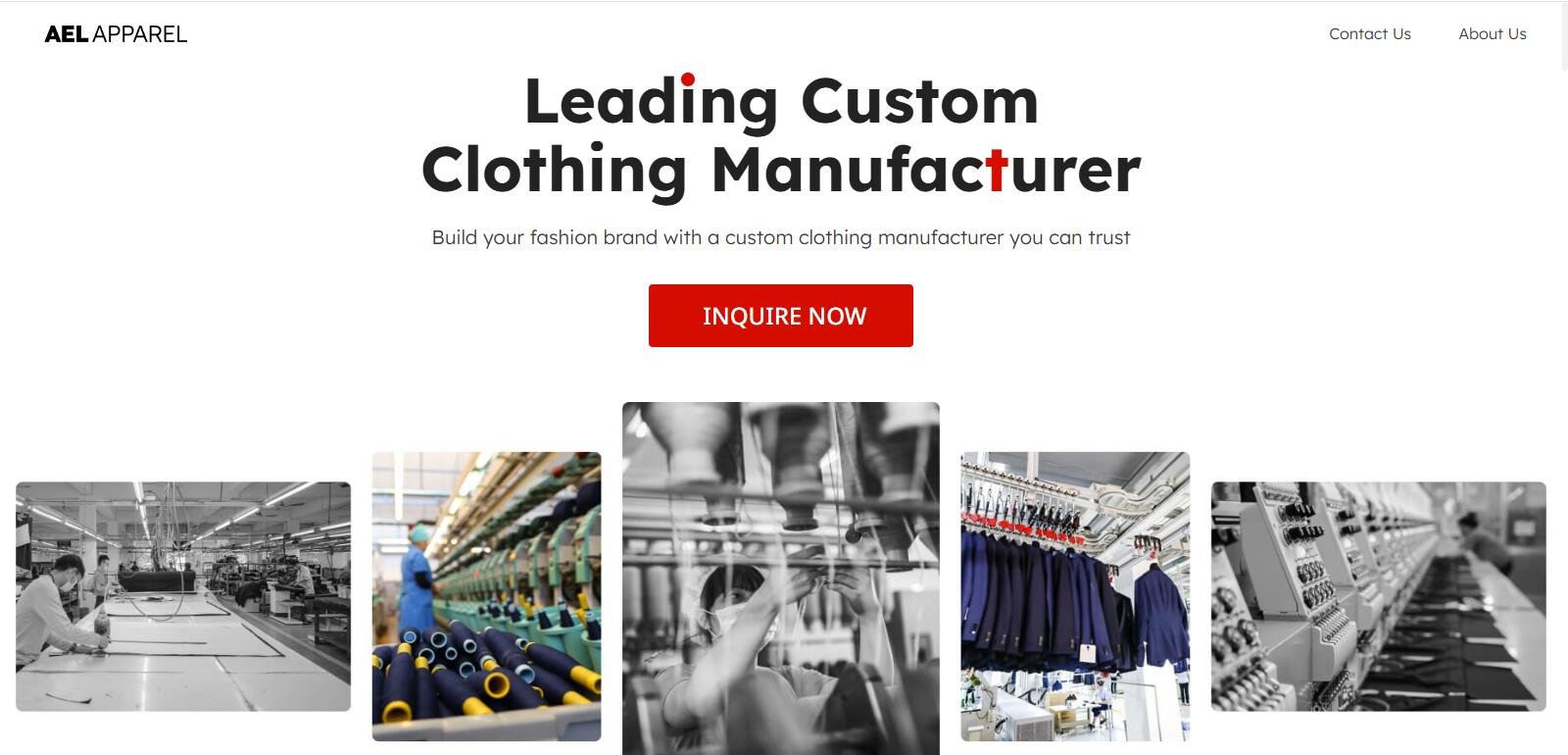
Large-scale manufacturer with deep expertise in technical activewear.
Best for: Established performance brands.
3. Tegmade – Technical Activewear OEM
👉 Tegmade

Focuses on functional construction and performance materials.
Best for: Function-first compression programs.
4. Berunwear – Custom Activewear Manufacturer
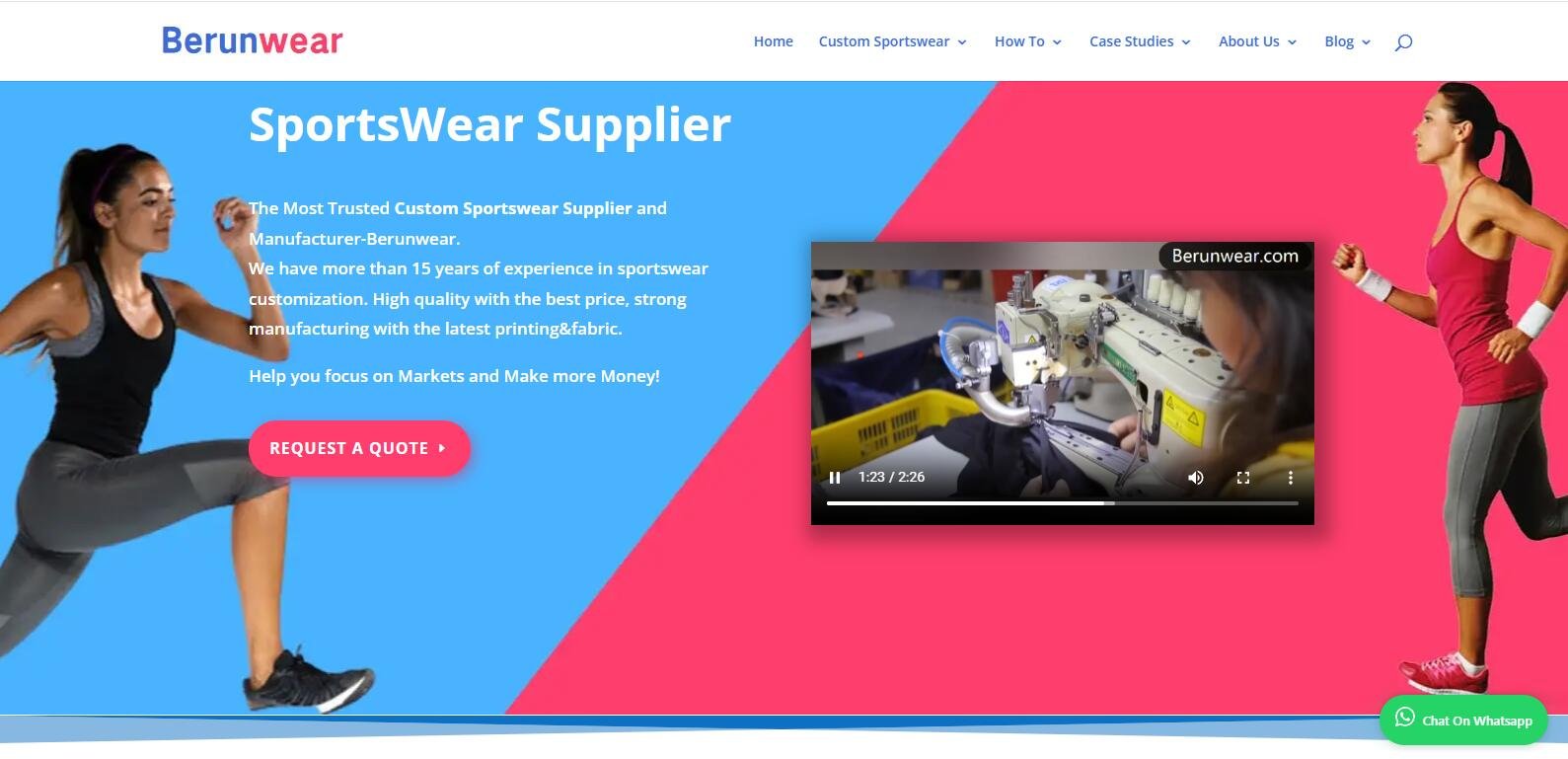
Balanced capabilities for compression tops and bottoms.
Best for: Brands scaling mid-volume collections.
5. Billoomi Fashion – Custom & Private Label Activewear
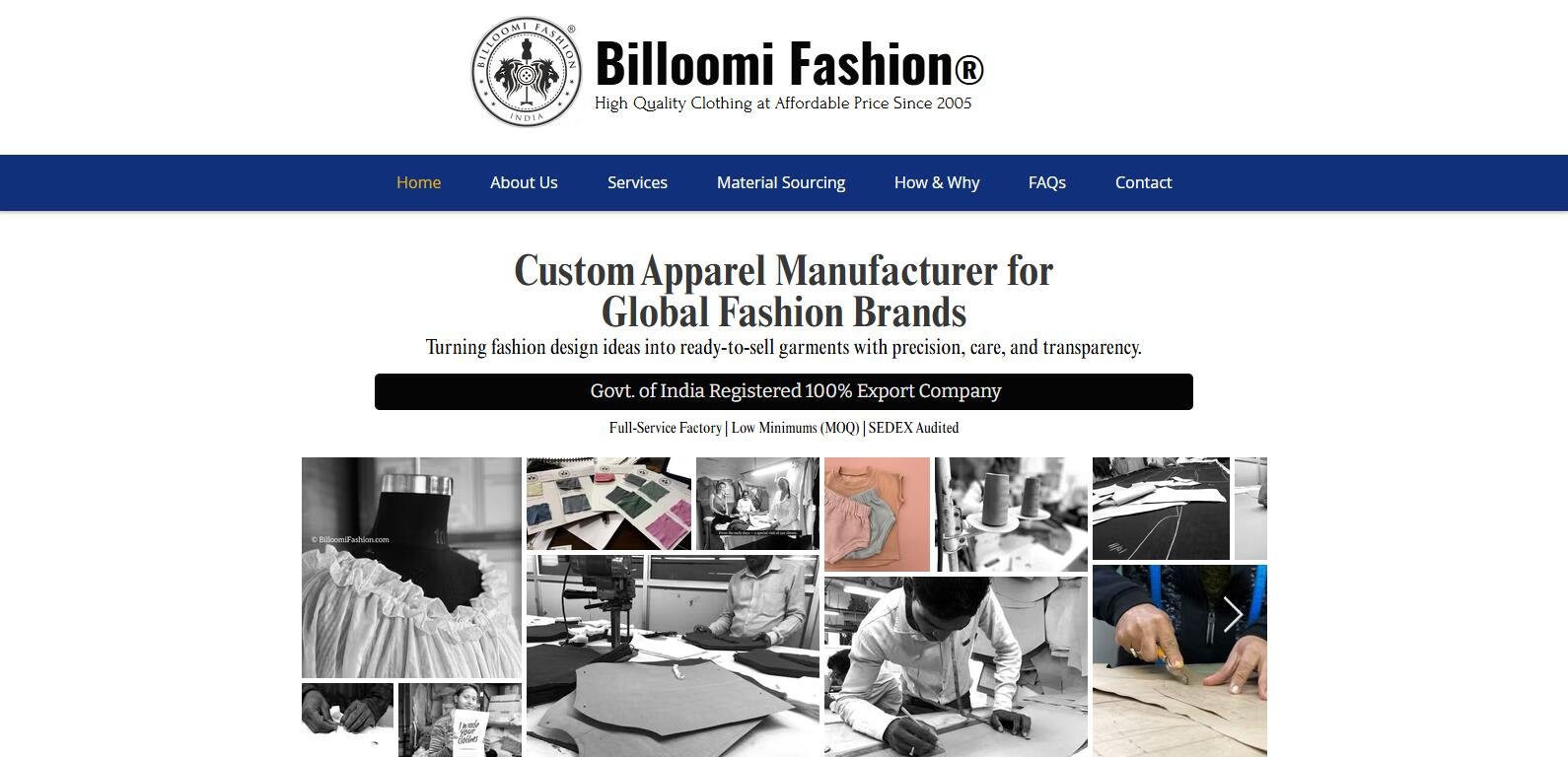
Supports low-to-mid MOQ compression wear programs.
Best for: Startups and test launches.
Factory Capability Comparison
| Factory | MOQ | Compression Expertise | Seam Technology | Bulk Stability |
|---|---|---|---|---|
| Fukigymwear | Low | High | High | High |
| AEL Apparel | High | Very High | Very High | Very High |
| Tegmade | Medium | High | High | High |
| Berunwear | Medium | Medium | Medium | Medium |
| Billoomi Fashion | Low–Medium | Medium | Medium | Medium |
How to Choose the Right Factory
Choose based on your product goals:
- High-performance compression → Fukigymwear or Tegmade
- Large-scale technical programs → AEL Apparel
- Balanced cost and flexibility → Berunwear
- First launches and testing → Billoomi Fashion
Always request wear-tested samples, not photos.
FAQs
Q: Is compression wear harder to make than leggings?
A: Yes. Compression requires tighter tolerance and seam control.
Q: Typical MOQ for compression wear?
A: Usually 100–300 units per style.
Q: Can compression garments be private label?
A: Yes, but performance still depends on factory capability.
Work With Fukigymwear
If you’re developing custom men’s compression wear and need a factory that understands
pressure control, fabric recovery, and scalable production,
👉 Fukigymwear – Men’s Compression Wear Manufacturer provides OEM and private label manufacturing with flexible MOQs and full technical support.
