
Table of Contents
- Quick Answer
- Why Gym Jumpsuits Are Harder Than Two-Piece Sets
- My Experience With OEM Gym Jumpsuit Development
- The Biggest Pattern Challenges in Gym Jumpsuits
- Fabric Challenges Factories Must Solve
- Pattern vs Fabric: Where Most Brands Fail
- OEM Manufacturing Workflow for Gym Jumpsuits
- Top OEM Gym Jumpsuit Manufacturers
- Factory Comparison Table
- How to Choose the Right OEM Partner
- FAQs
- Work With Fukigymwear
Quick Answer
OEM gym jumpsuits are difficult to manufacture because pattern engineering and fabric behavior must work together.
From real factory experience:
- Most failures come from incorrect torso patterns
- Poor stretch recovery
- Fabric that doesn’t match movement demands
👉 The issue is rarely sewing—it’s engineering.
Why Gym Jumpsuits Are Harder Than Two-Piece Sets
Unlike leggings or sports bras, a jumpsuit is one continuous structure.
That creates unique challenges:
- Torso length tolerance
- Vertical vs horizontal stretch balance
- Crotch depth under movement
- Shoulder and neckline stability
- Size grading across heights
💬 A small error affects the entire garment—not just one panel.
My Experience With OEM Gym Jumpsuit Development
From working with OEM factories, I’ve seen jumpsuits across:
- High-compression training suits
- Yoga / Pilates one-piece styles
- Long-sleeve & sleeveless versions
- Seamless-inspired sculpting designs
Key Lessons
- Legging patterns do NOT convert to jumpsuits
- Fabric stretch must be tested—not assumed
- Torso fitting requires multiple revisions
- Pattern shortcuts fail in bulk production
💬 Factories without jumpsuit experience often underestimate complexity.
The Biggest Pattern Challenges in Gym Jumpsuits
1. Torso Length Engineering
Same waist size ≠ same torso length.
OEM patterns must allow:
- Vertical stretch compensation
- Shape retention
- No distortion
2. Crotch & Hip Balance
- Too shallow → pulling & discomfort
- Too deep → sagging & poor fit
👉 This is one of the hardest technical points.
3. Shoulder & Neckline Stability
Stretch fabrics can cause:
- Neckline collapse
- Strap distortion
Requires:
- Reinforced pattern zones
- Tension-controlled seams
Fabric Challenges Factories Must Solve
Not all activewear fabrics work for jumpsuits.
Common Problems
- Over-stretching under body weight
- Poor recovery after washing
- Sheerness during vertical stretch
- Uneven compression across panels
Recommended Fabric Specs
| Fabric Type | Why It Works |
|---|---|
| Nylon-Spandex (18–25%) | Strong recovery & durability |
| Interlock Knit | Balanced stretch & opacity |
| Ribbed Performance Knit | Structure + fashion appeal |
| Power Mesh | Ventilation & panel support |
💬 Always test vertical stretch, not just width.
Pattern vs Fabric: Where Most Brands Fail
Most brands focus on fabric—but ignore pattern engineering.
Reality:
- Good fabric + bad pattern = ❌ failure
- Average fabric + strong pattern = ✅ wearable
👉 The best OEM factories develop pattern + fabric together.
OEM Manufacturing Workflow for Gym Jumpsuits
A professional workflow looks like this:
- Design concept + compression level
- Fabric stretch & recovery testing
- Torso-based pattern development
- First prototype sample
- Real-body fit testing
- Pattern adjustment
- Pre-production sample
- Bulk production with QC
⚠️ Skipping step 5 = high return risk
Top OEM Gym Jumpsuit Manufacturers
1. Fukigymwear – OEM Gym Jumpsuits

Pattern-led development with strong one-piece expertise.
Best for: Performance & athleisure brands
2. AEL Apparel – Technical Activewear OEM
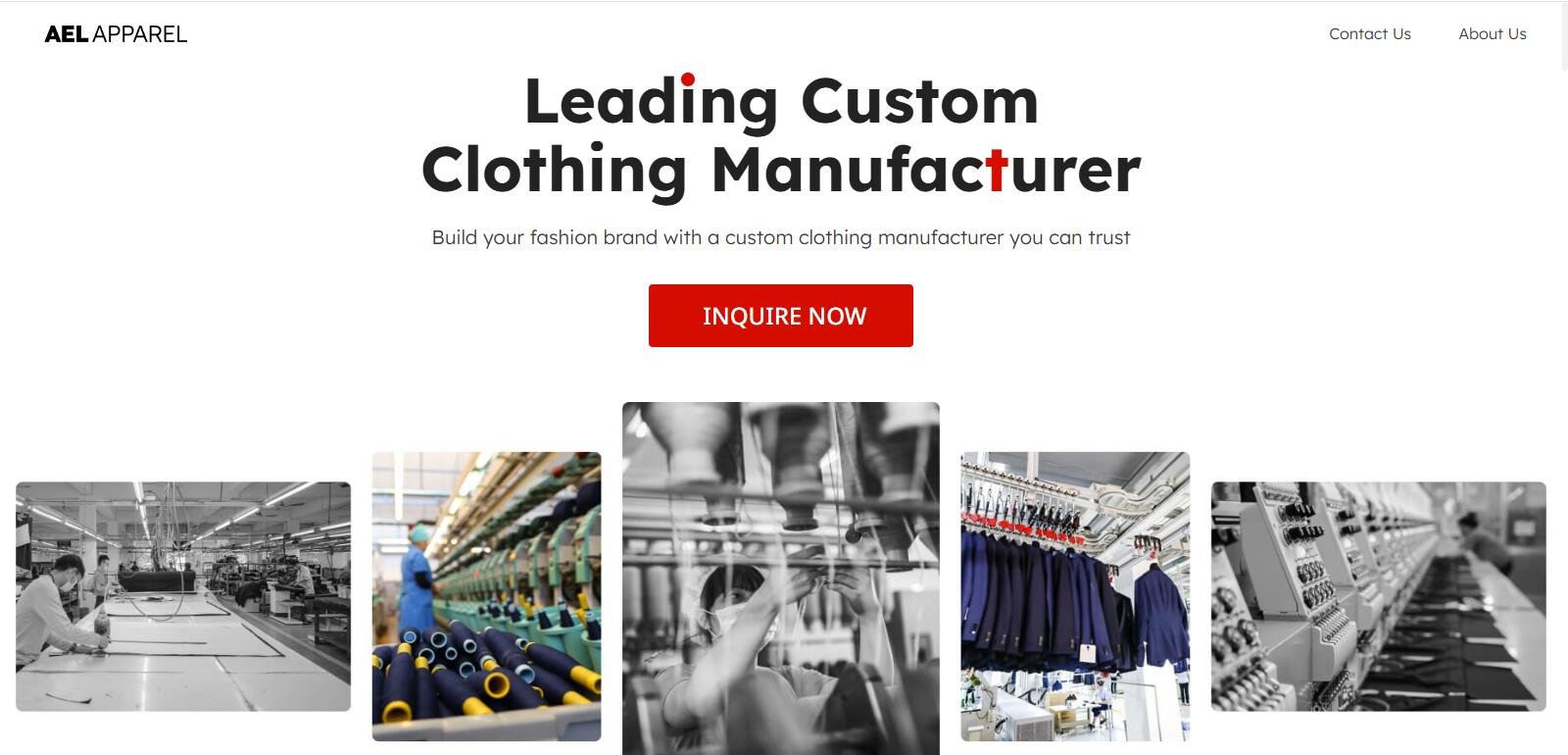
Advanced fabric engineering and garment development.
Best for: Technical, premium products
3. Lefty Production Co. – Full Development Partner

Supports design → pattern → production.
Best for: Brands needing full development guidance
4. Affix Apparel – Custom Activewear OEM
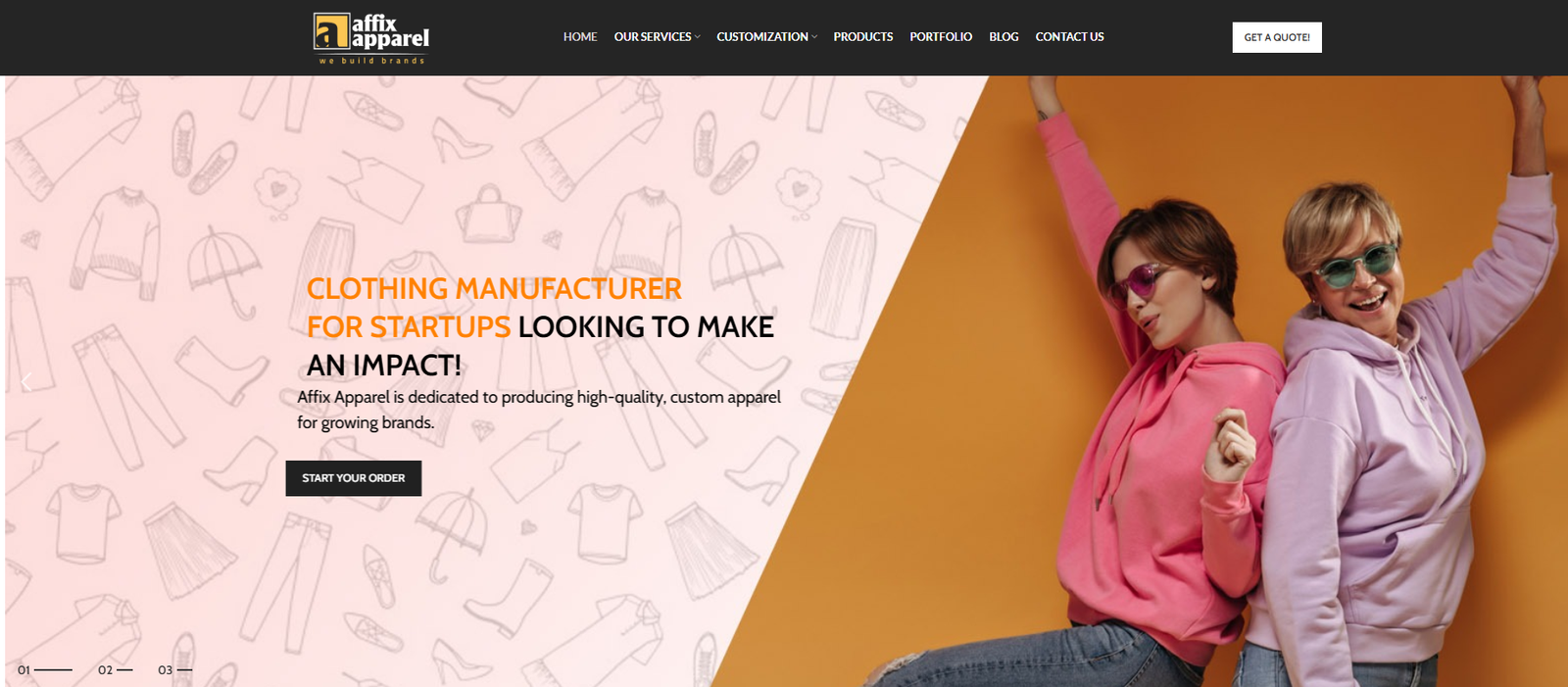
Low MOQ and flexible private label options.
Best for: Startups and test runs
5. Royal Apparel – USA-Based Manufacturer
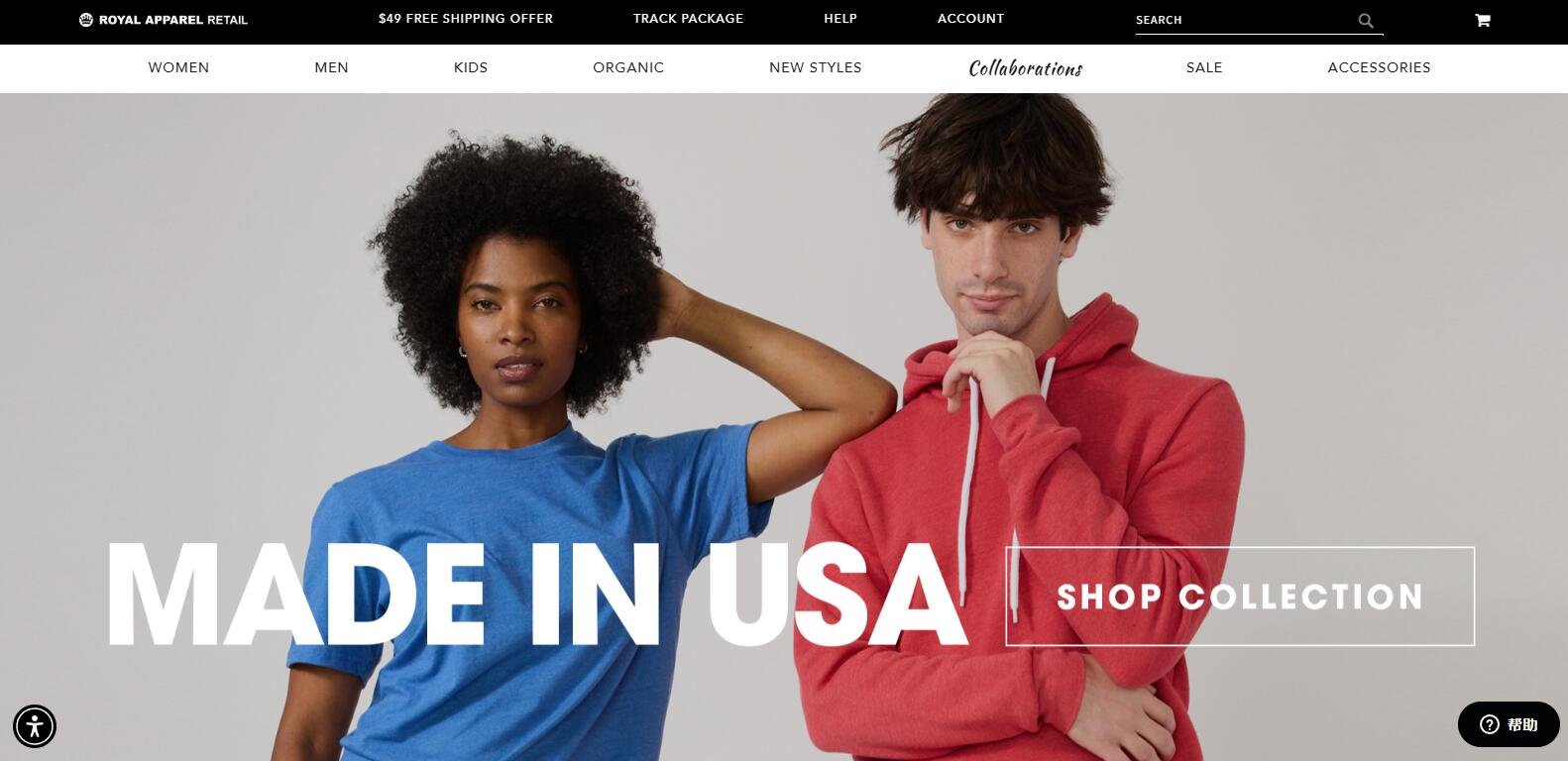
Ethical domestic production.
Best for: Made-in-USA positioning
Factory Comparison Table
| Factory | MOQ | Jumpsuit Expertise | Best For |
|---|---|---|---|
| Fukigymwear | Low | High | Gym & athleisure |
| AEL Apparel | Medium | Very High | Technical products |
| Lefty Production | Medium | High | Development support |
| Affix Apparel | Low | Medium | Startups |
| Royal Apparel | Medium | Medium | USA branding |
How to Choose the Right OEM Partner
Use this checklist:
- Ask how they engineer torso fit
- Request stretch & recovery test data
- Check real jumpsuit samples
- Confirm fit testing process
- Validate bulk consistency control
🚫 If a factory treats jumpsuits like leggings → walk away
FAQs
Q: Are gym jumpsuits more expensive to produce?
A: Yes—more fabric, more pattern work, and more testing increase cost.
Q: What is the typical MOQ?
A: Usually 100–300 units per style.
Q: Can jumpsuits be private labeled?
A: Yes—branding, labels, and packaging are fully customizable.
Work With Fukigymwear
If you’re developing OEM gym jumpsuits and want to avoid:
- Pattern failure
- Fabric mismatch
- Fit issues in bulk
👉 Fukigymwear offers:
- Pattern-led OEM development
- Performance fabric selection
- Low MOQ production
- Full sample-to-bulk support
💬 Great jumpsuits are engineered—not improvised.
