
Table of Contents
- Quick Answer
- 1. Does HOKA Run True to Size?
- 2. How HOKA Fit Feels Compared to Other Brands
- 3. When You Should Size Up or Down in HOKA
- 4. Width Options: Regular vs Wide
- 5. Size Recommendations by Use Case
- FAQs
- What Brands Can Learn from HOKA’s Sizing Strategy
Quick Answer
Most people should buy their normal shoe size in HOKA.
HOKA generally runs true to size, with a slightly roomier toe box than some traditional running brands.
From my experience working with footwear fit testing, customer return analysis, and long-wear comfort evaluation, sizing issues with HOKA usually come from width and use case, not length.
1. Does HOKA Run True to Size?
Yes — HOKA runs true to size for most wearers.
What that means in practice:
- same length as Nike, ASICS, Brooks (for most people)
- slightly more toe room than narrow brands
- consistent sizing across most models
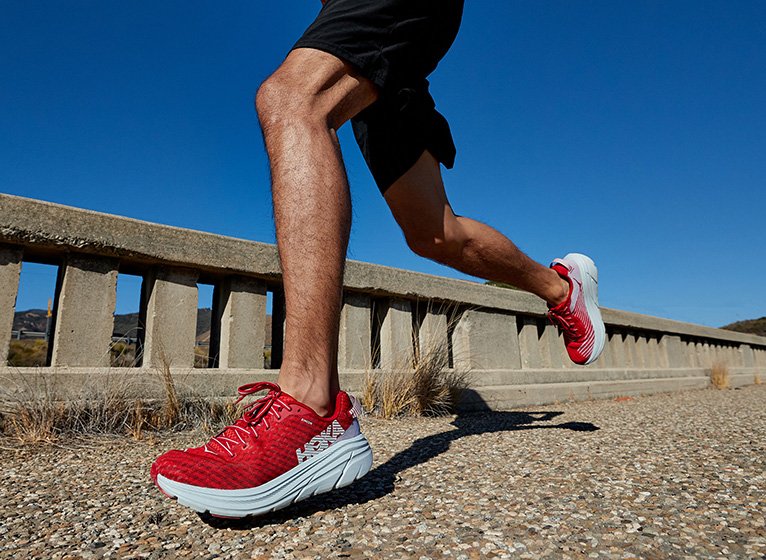
Official brand reference:
👉 https://www.hoka.com/
Important note:
“True to size” doesn’t mean “same fit for everyone.”
2. How HOKA Fit Feels Compared to Other Brands
Here’s how HOKA sizing feels relative to common brands:
| Brand | Compared to HOKA |
|---|---|
| Nike | HOKA feels roomier in toe |
| Adidas | Similar length, HOKA wider |
| ASICS | Very similar overall |
| New Balance | Comparable, depending on model |
My honest take:
If Nike feels tight in the toe for you, HOKA usually feels more forgiving.
3. When You Should Size Up or Down in HOKA
Stick to your normal size if you:
- have average-width feet
- wear running shoes casually or for walking
- don’t use thick socks or orthotics
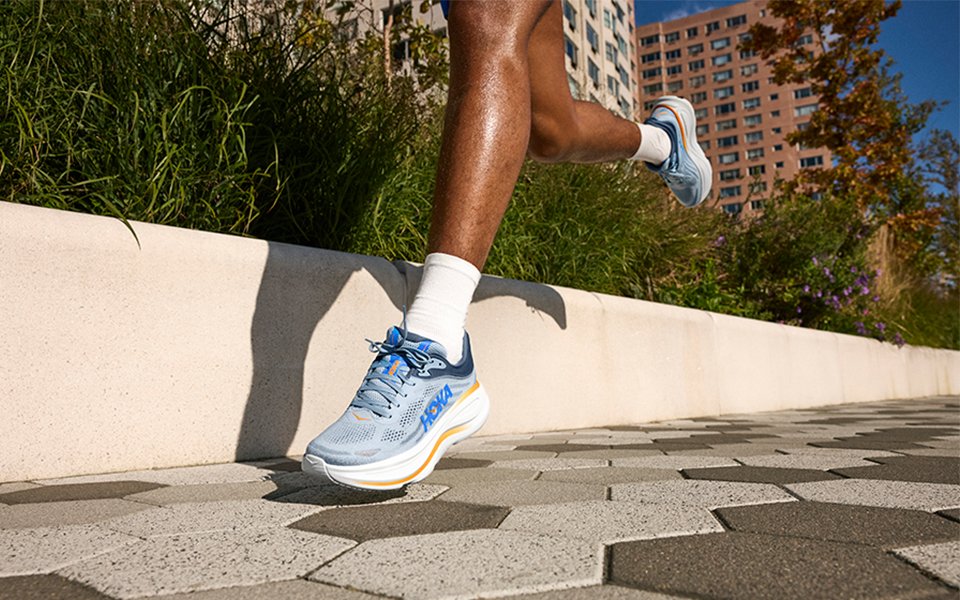
Consider sizing up half a size if you:
- wear thick socks
- use custom insoles
- run long distances (foot swelling)
- are between sizes
Consider sizing down only if:
- your foot is very narrow
- you feel heel slip in your normal size
Reality check:
Most sizing mistakes happen when people size down unnecessarily.
4. Width Options: Regular vs Wide
HOKA offers wide (D / 2E) options in many models.
Choose wide if you:
- feel pressure on the sides of your foot
- usually buy wide in other brands
- experience numbness in toes
Choose regular if:
- your feet are average or narrow
- you’ve never needed wide shoes before
Key insight:
Width fixes more fit problems than changing size.
5. Size Recommendations by Use Case
| Activity | Recommended Fit |
|---|---|
| Walking / daily wear | True to size |
| Running (short) | True to size |
| Long-distance running | Half size up (optional) |
| Standing all day | True to size + wide if needed |
| Orthotics | Half size up |
Bottom line:
Choose size first — then adjust width if needed.
FAQs
Q1: Do HOKA shoes run big or small?
They generally run true to size.
Q2: Are HOKA shoes good for wide feet?
Yes. Many models offer wide options.
Q3: Should I size up for running?
Only if you run long distances or experience foot swelling.
Q4: Is HOKA sizing consistent across models?
Mostly yes, with minor differences by design.
What Brands Can Learn from HOKA’s Sizing Strategy
HOKA succeeds because it reduces sizing anxiety — especially for new customers.
At 👉 https://fukigymwear.com/
we apply the same logic to activewear development:
clear fit logic, honest sizing guidance, and fewer returns.
What We Support
- fit-first product development
- size-grading and wear testing
- width-inclusive design
- customer-centric size communication
- low-MOQ OEM / ODM manufacturing
- private-label activewear & footwear strategy
Good sizing doesn’t just sell products —
it builds long-term trust.
