
Table of Contents
- Quick Answer
- 1. What People Mean by “Gymshark 66 Rules”
- 2. Is There an Official Gymshark 66 Rules Policy?
- 3. Where the “66 Rules” Idea Comes From
- 4. How Gymshark Uses Rules, Challenges, and Community Signals
- 5. What People Think the 66 Rules Are (Common Interpretations)
- FAQs
- What Brands Can Learn from the Gymshark 66 Rules Concept
Quick Answer
There are no official “Gymshark 66 Rules” published by Gymshark.
The phrase usually refers to a community-driven fitness or habit challenge, often inspired by the popular idea that it takes around 66 days to build a habit.
From my experience working with activewear branding, community marketing, and fitness-product storytelling, this type of term spreads because it sounds official, even when it isn’t.
1. What People Mean by “Gymshark 66 Rules”
When people search “What are Gymshark 66 rules?”, they’re usually expecting:
- a formal Gymshark challenge
- a written set of rules from the brand
- a loyalty or training system
- a social-media fitness guideline

Official brand reference:
gymshark
In reality, Gymshark has never released an official document called “66 Rules.”
2. Is There an Official Gymshark 66 Rules Policy?
No. There is no official Gymshark policy, campaign page, or rulebook called “66 Rules.”
What does exist:
- Gymshark-led fitness challenges
- athlete-led training content
- community motivation campaigns
- social media habit-building trends
The term “66 Rules” is not an official brand program.
3. Where the “66 Rules” Idea Comes From
The number 66 usually comes from a popular idea in fitness and psychology:
It takes about 66 days to form a habit.
Fitness creators often turn this into:
- 66-day workout challenges
- 66-day discipline rules
- “no excuses for 66 days” concepts
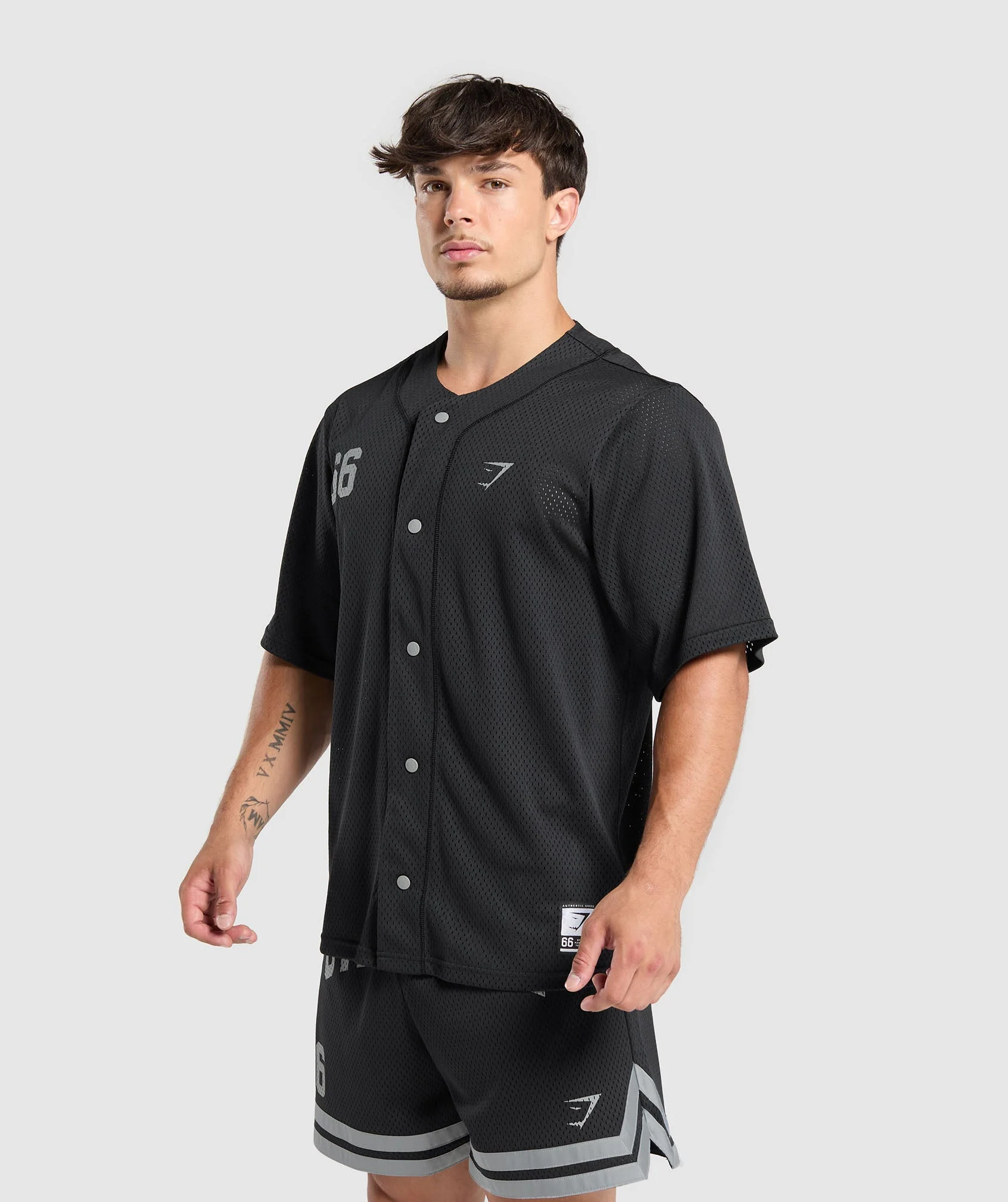
Because Gymshark is strongly associated with discipline, consistency, and training culture, the term gets linked to the brand — even without official backing.
4. How Gymshark Uses Rules, Challenges, and Community Signals
Gymshark doesn’t rely on rigid rulebooks.
Instead, it focuses on:
- motivation through athletes
- community-led challenges
- visual consistency and discipline
- “show up every day” messaging
Key insight:
Gymshark builds identity, not instructions.
5. What People *Think* the 66 Rules Are (Common Interpretations)
Here’s what people usually mean when they say “Gymshark 66 Rules”:
| Common Interpretation | What It Actually Is |
|---|---|
| Official Gymshark challenge | ❌ Not official |
| Brand rulebook | ❌ Does not exist |
| 66-day fitness habit | ✅ Community concept |
| Social media trend | ✅ Yes |
| Athlete mindset framework | ✅ Informal |
Bottom line:
It’s a community phrase, not a brand policy.
FAQs
Q1: Are the Gymshark 66 Rules real?
Not as an official program. They’re a community-created idea.
Q2: Does Gymshark promote a 66-day challenge?
Gymshark promotes consistency, but not a fixed “66 Rules” system.
Q3: Why do people associate 66 with Gymshark?
Because the brand aligns with discipline, habit-building, and fitness culture.
Q4: Can I still follow a 66-day challenge wearing Gymshark?
Of course — many people do, but it’s not required or branded.
What Brands Can Learn from the Gymshark 66 Rules Concept
The “Gymshark 66 Rules” idea proves something important:
Strong brands inspire movements — even without official rules.
At fukigymwear,
we help brands build community-driven fitness narratives that feel authentic, motivating, and scalable — without forcing rigid frameworks.
What We Support
- community-led challenge concepts
- fitness storytelling strategy
- private-label activewear development
- brand positioning through consistency
- low-MOQ OEM / ODM manufacturing
Gymshark didn’t create the 66 Rules —
but its brand strength made people believe they could exist.
