
Table of Contents
- Quick Answer
- 1. “Expensive” Compared to What?
- 2. Fabric Development Is the Biggest Cost
- 3. Fit Engineering and Pattern Complexity
- 4. Manufacturing Standards and Quality Control
- 5. Brand Strategy, Not Just Branding
- 6. Cost Breakdown: Lululemon vs Cheaper Leggings
- 7. Who the Price Actually Makes Sense For
- FAQs
- What Brands Can Learn from Lululemon’s Pricing Model
Quick Answer
Lululemon leggings are expensive because of proprietary fabric development, advanced fit engineering, strict quality control, and a premium pricing strategy — not just the logo.
From my experience working with activewear manufacturing, fabric sourcing, and OEM cost structures, most leggings look similar on the rack. The real differences show up after months of wear.
1. “Expensive” Compared to What?
When people ask why Lululemon leggings are expensive, they’re usually comparing:
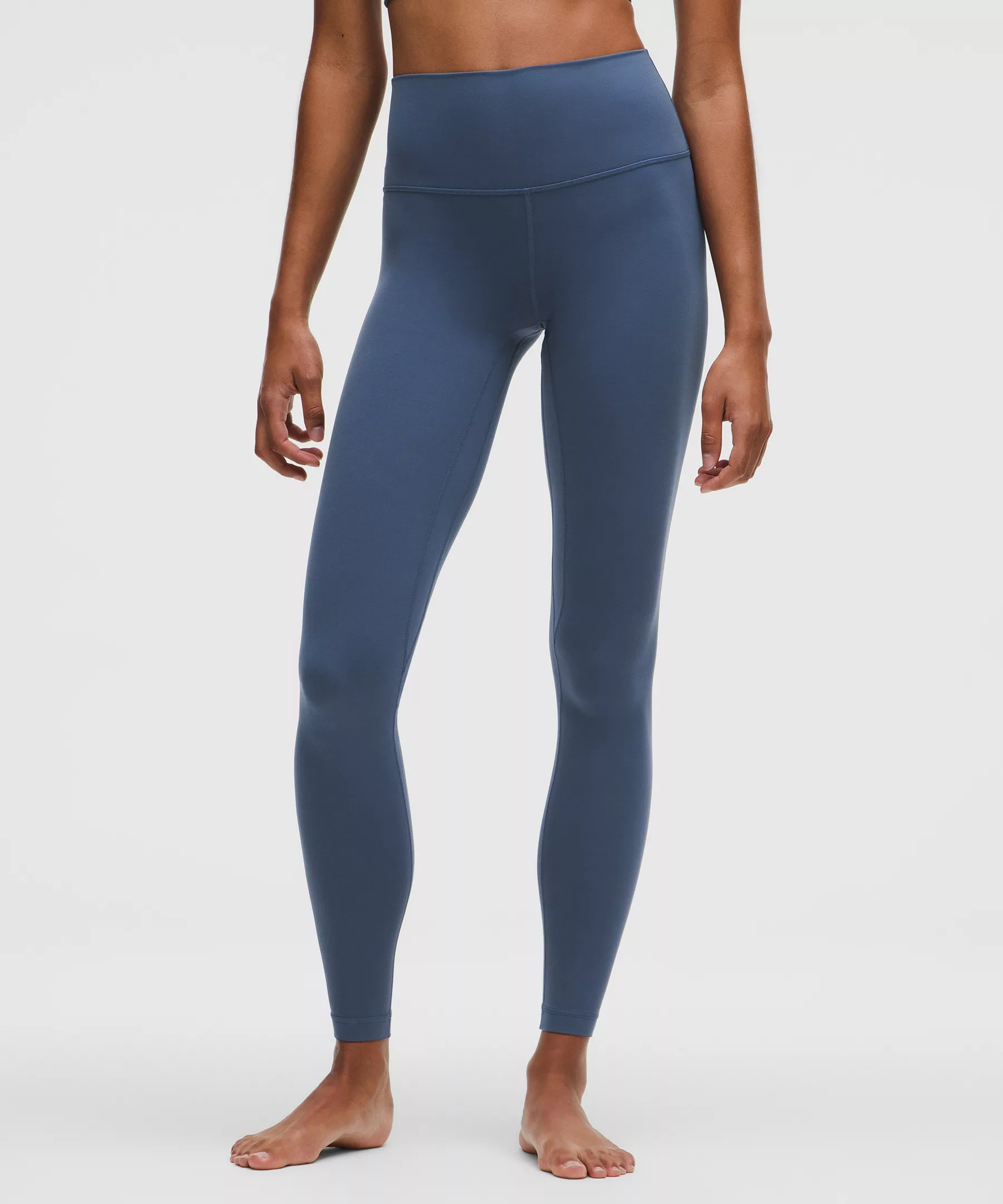
- $98–$128 leggings
- vs $20–$40 leggings from fast-fashion or mass brands
Official brand reference:
👉 Lululemon
The better question is not “Why do they cost more?”
It’s “What costs are included that cheaper leggings skip?”
2. Fabric Development Is the Biggest Cost
Fabric is the single largest contributor to Lululemon’s pricing.
What increases fabric cost:
- in-house fabric R&D (not off-the-shelf knits)
- high stretch with strong recovery
- low-pilling and fade resistance
- consistent feel across production batches
Cheaper leggings often:
- use generic fabric formulas
- stretch out at knees and waist
- pill quickly at inner thighs
My honest take:
You don’t pay for how leggings feel on day one — you pay for how they feel after 30 washes.
3. Fit Engineering and Pattern Complexity
Fit is engineered, not guessed.
What adds cost here:
- multi-panel pattern construction
- contour seams designed around movement
- repeated wear testing on real bodies
- seasonal refinements without changing core fit
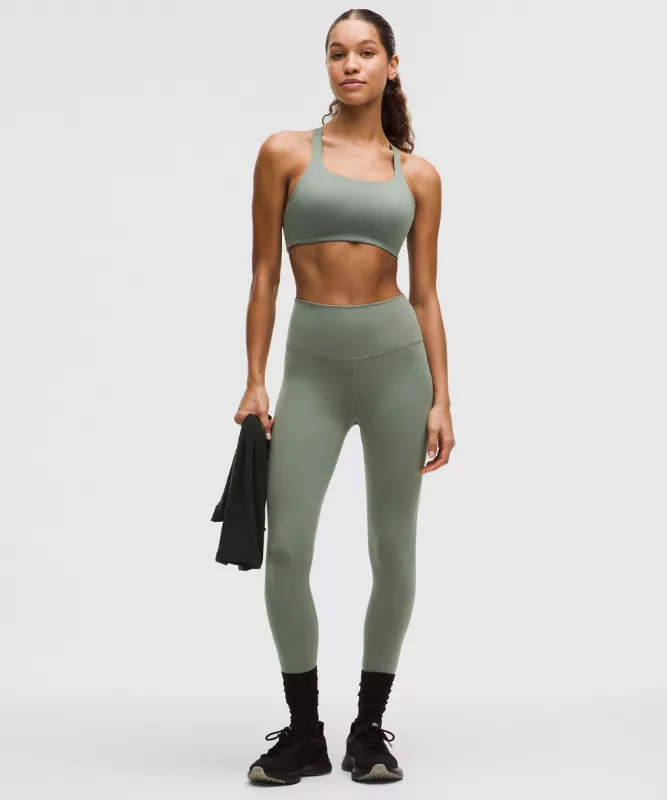
From a manufacturing perspective, more panels = more labor + more QC, but also better results.
Key insight:
Good leggings don’t need constant adjusting — that’s not accidental.
4. Manufacturing Standards and Quality Control
Lululemon invests heavily in:
- factory qualification
- production consistency
- defect reduction
- size and color stability
This leads to:
- fewer returns
- fewer “bad batches”
- predictable fit across seasons
Lower-priced brands often accept higher defect rates to reduce costs.
5. Brand Strategy, Not Just Branding
Price isn’t only about production — it’s about positioning.
Lululemon’s pricing supports:
- full-price selling (fewer constant discounts)
- premium retail experience
- staff training and customer service
- community events and brand trust
Important distinction:
You’re paying for brand control, not just brand recognition.
6. Cost Breakdown: Lululemon vs Cheaper Leggings
| Cost Factor | Lululemon | Cheaper Leggings |
|---|---|---|
| Fabric quality | Proprietary, tested | Generic |
| Fit engineering | Advanced | Basic |
| Pilling resistance | Strong | Weak |
| Quality control | Strict | Inconsistent |
| Longevity | 1–3+ years | Months |
Key takeaway:
Higher upfront cost often equals lower cost per wear.
7. Who the Price Actually Makes Sense For
The price makes sense if you:
- wear leggings multiple times a week
- care about long-term comfort
- want consistent fit across pairs
- prefer minimal, non-trendy design
It may not make sense if you:
- wear leggings occasionally
- like fast-changing styles
- don’t mind replacing them often
- prioritize the lowest upfront price
Straight answer:
They’re expensive — but not overpriced for the right user.
FAQs
Q1: Is the price mostly for the brand name?
No. Fabric and fit development account for much of the cost.
Q2: Do Lululemon leggings actually last longer?
In most cases, yes — especially with proper care.
Q3: Are there cheaper alternatives with similar quality?
Some exist, but consistency is harder to match.
Q4: Why doesn’t Lululemon discount more often?
To protect brand value and pricing integrity.
What Brands Can Learn from Lululemon’s Pricing Model
Lululemon’s success shows a key principle:
Customers pay more when quality stays obvious over time.
At 👉 fukigymwear,
we help brands build premium leggings and activewear with transparent cost structures — so higher prices are justified by real performance.
What We Support
- premium fabric sourcing
- fit-focused pattern engineering
- durability and wash testing
- low-MOQ OEM / ODM manufacturing
- private-label activewear development
Lululemon leggings aren’t expensive by accident —
they’re priced for how long and how well they’re worn.
