
Table of Contents
- Quick Answer
- 1. Why ASICS Is Often Seen as a Running Brand
- 2. Is ASICS Really Only for Running?
- 3. What ASICS Is Actually Designed For
- 4. ASICS vs Other Sportswear Brands by Use Case
- 5. When ASICS Is a Great Choice — and When It’s Not
- FAQs
- What Brands Can Learn from ASICS’ Positioning
Quick Answer
No — ASICS is not only for running. While running is its strongest category, ASICS is designed for a wide range of athletic activities focused on comfort, biomechanics, and long-term performance.
From my experience working with performance apparel development, fit engineering, and OEM gymwear manufacturing, ASICS is often misunderstood as “just a running brand” because it doesn’t market aggressively outside that space — not because its products are limited.
1. Why ASICS Is Often Seen as a Running Brand
ASICS is closely associated with running for a few clear reasons:
- its global reputation was built on running footwear
- many elite runners wear ASICS
- its branding focuses on biomechanics and injury prevention
- it avoids loud lifestyle marketing
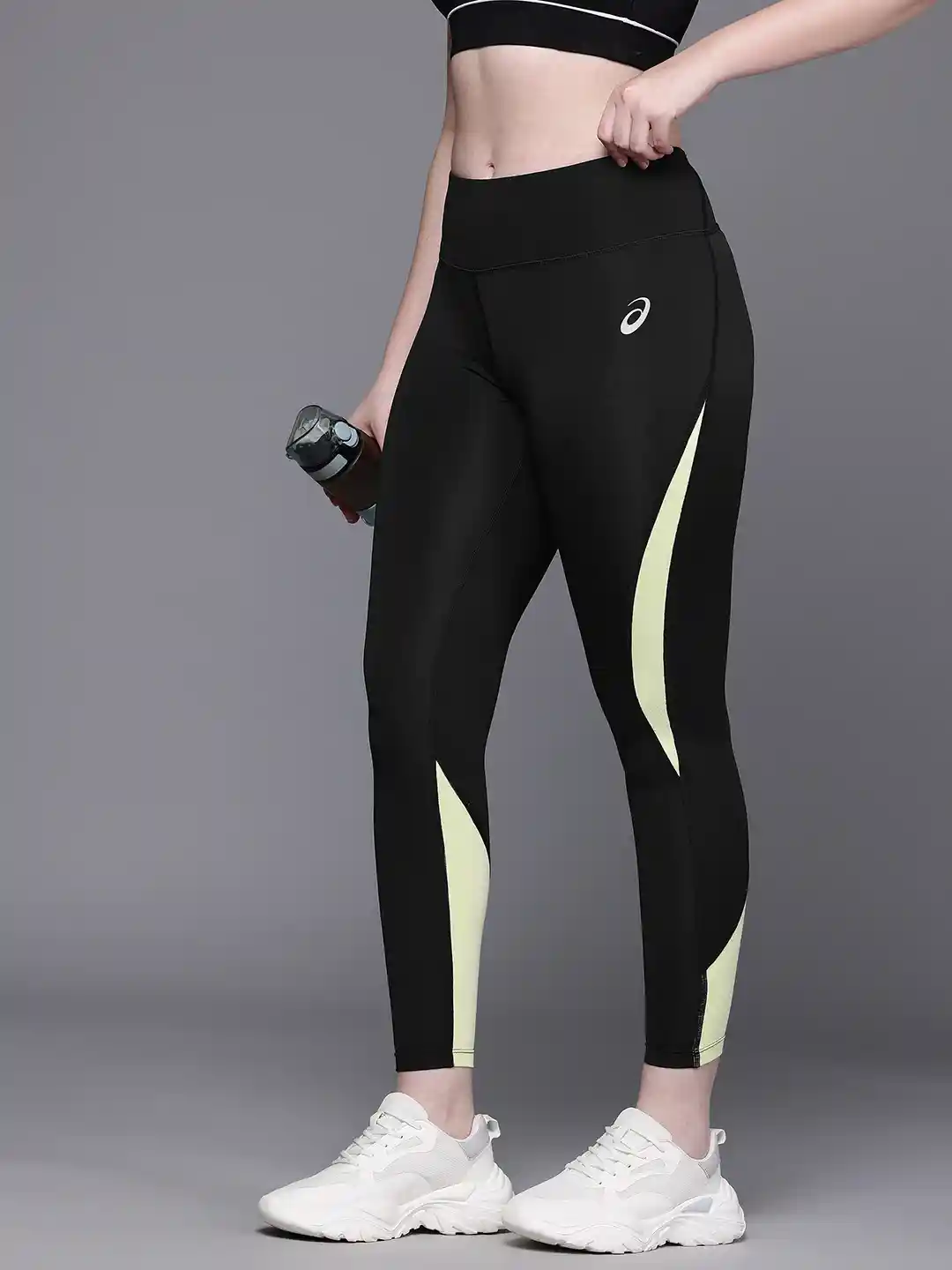
Official brand reference:
👉 ASICS
This strong running identity sometimes hides the fact that ASICS supports much more than running.
2. Is ASICS Really Only for Running?
No. Running is just one part of ASICS’ ecosystem.
ASICS also designs products for:
- fitness training
- conditioning workouts
- functional and movement-based training
- cross-training
- everyday athletic use
The difference is that ASICS approaches all of these with a movement-first mindset, not a trend-first one.
3. What ASICS Is Actually Designed For
Instead of asking “Is ASICS only for running?”, a better question is:
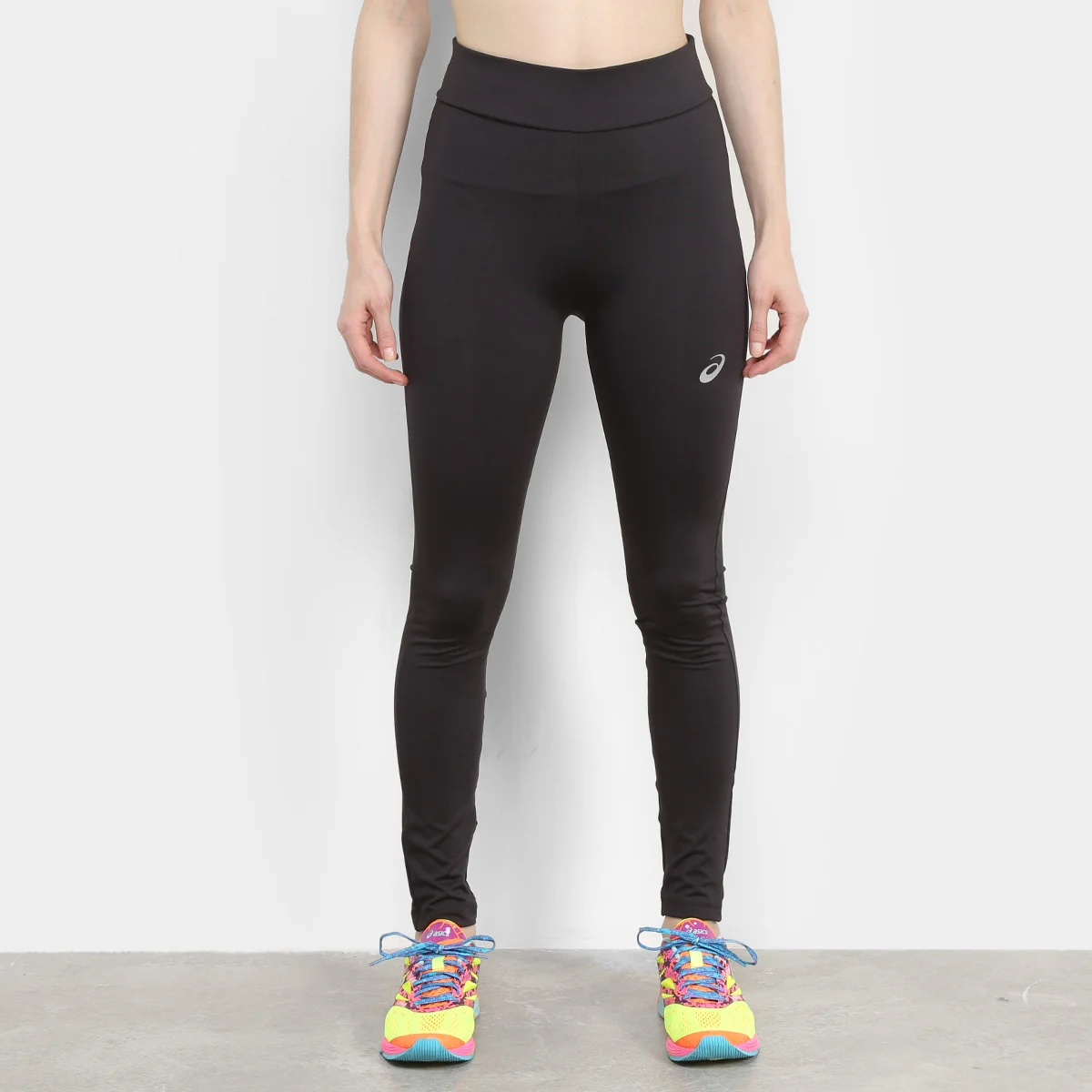
What kind of training does ASICS support best?
ASICS is best for:
- athletes who train consistently
- people focused on form and movement quality
- workouts that involve repetition over time
- users who value comfort and injury awareness
ASICS is less focused on:
- bodybuilding aesthetics
- aggressive compression fits
- fashion-driven gym wear
- social-media-led styling
ASICS designs for how the body feels after training, not how the outfit looks during it.
4. ASICS vs Other Sportswear Brands by Use Case
| Brand | Primary Identity | Best Use Case |
|---|---|---|
| ASICS | Biomechanics & comfort | Running, fitness, conditioning |
| Nike | Speed & intensity | High-impact, explosive training |
| Adidas | Sport + lifestyle | Mixed gym & casual wear |
| Gymshark | Gym aesthetics | Physique-focused workouts |
Key takeaway:
ASICS isn’t limited — it’s selective.
5. When ASICS Is a Great Choice — and When It’s Not
ASICS is a great choice if you:
- run, but also do gym or fitness training
- train several times per week
- care about joint comfort and stability
- want predictable fit and durability
- prefer function over hype
ASICS may not be ideal if you:
- want gym wear mainly for visual impact
- prefer ultra-tight or sculpting fits
- follow fast gym fashion trends
Honest truth:
ASICS isn’t “only for running” — it’s for people who train with intention.
FAQs
Q1: Can ASICS be used for gym workouts?
Yes. Especially for fitness and conditioning-based workouts.
Q2: Is ASICS good for beginners?
Yes. Its comfort and fit make it beginner-friendly.
Q3: Is ASICS only popular with runners?
No. Many fitness and training-focused athletes use ASICS.
Q4: Why does ASICS feel different from other brands?
Because it prioritizes biomechanics over aesthetics.
What Brands Can Learn from ASICS’ Positioning
ASICS proves that a brand doesn’t need to serve every trend to succeed.
At
👉 https://fukigymwear.com/
we help brands define what they are truly built for before product development begins.
What We Support
- movement-focused product strategy
- biomechanics-aware fit development
- performance fabric sourcing
- long-term wear testing
- low-MOQ OEM / ODM manufacturing
- private-label gym & fitness apparel
ASICS shows that being known for one thing doesn’t mean being limited — it means being trusted.
